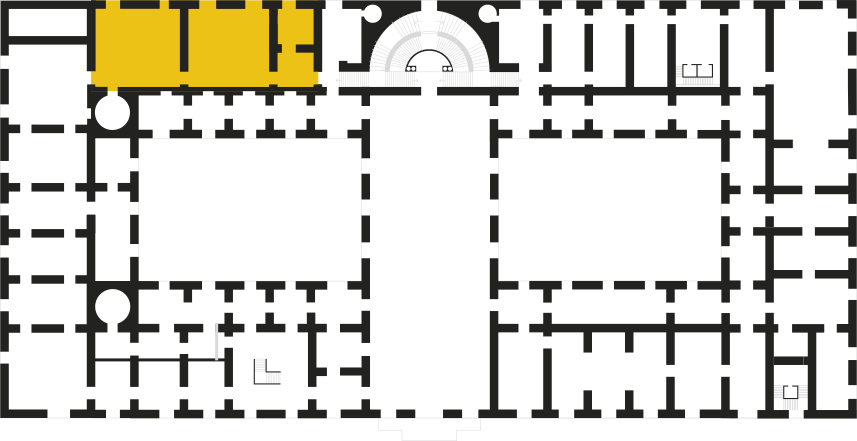
The section is dedicated to a single, extraordinary villa complex, located north-west of ancient Herculaneum, overlooking the sea and scenographically degrading with its variuos levels toward the coast, with a 250-metre-long front; a magnificent otium villa belonging to the Roman aristocracy and buried by the eruption of Mount Vesuvius in 79 AD.
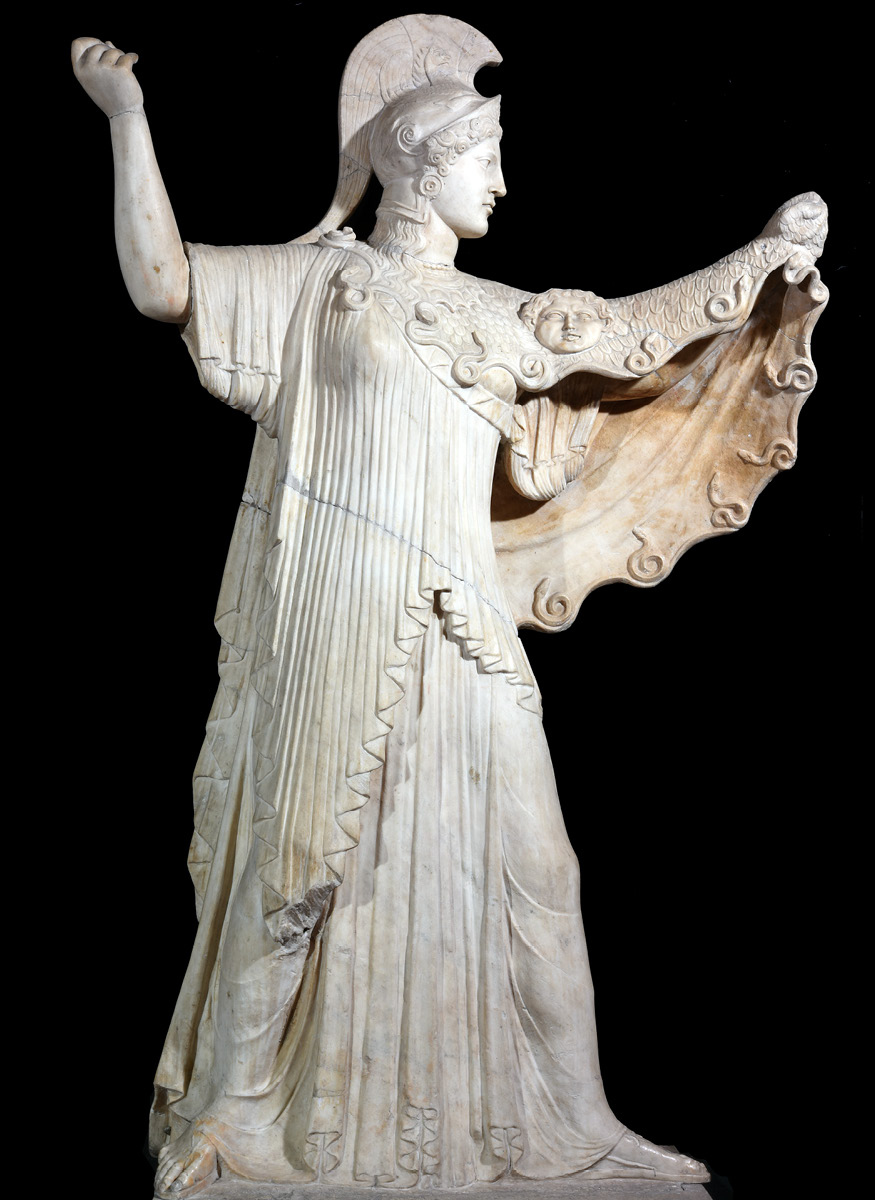
Visitors are welcomed by the monumental statue of Athena Promachos (fighting on the forefront), introducing the story of the excavations carried out in the Bourbon period, which led to the discovery of the Villa, an event which would have had a profound impact on the history of European taste and culture.
From 1750 to 1764, in fact, the military engineer Karl Weber was encharged the direction of the digs by Charles of Bourbon. He drew the plan of the marvellous building, with an attention to details, which is still admirable today. Exploring the villa proved quite difficult, since it was buried under 27-metre-deep hard volcanic rock, so as to make it necessary to build a system of tunnels and wells.
The villa owes its name to the discovery of more than 1800 charred papyrus scrolls, mostly revealing Greek texts about Epicurean philosophy, which are today preserved and studied at the National Library of Naples.
A focus is dedicated to the evolution of papyrus reading techniques, from the machine designed by Abbot Antonio Piaggio in the second half of the eighteenth century, to the more advanced contemporary systems of non-invasive investigation, also based on AI technologies. Among the most interesting pieces, there are four small inscribed bronze busts of Epicurus, Zeno, Hermarchus and Demosthenes, originally used to classify the scrolls on the shelves, by the author.
Next galleries are dedicated to the various rooms of the villa, set up with their decoration of frescoes and sculptures, which are exhibited, if possible, according to the original scheme.
A massive central installation, clad in shaped slabs of basalt stone, evoke the lava flow which buried Herculaneum and the tunnels dug in the Bourbon period, trying to recreate the atmosphere of those early eighteenth century explorations.
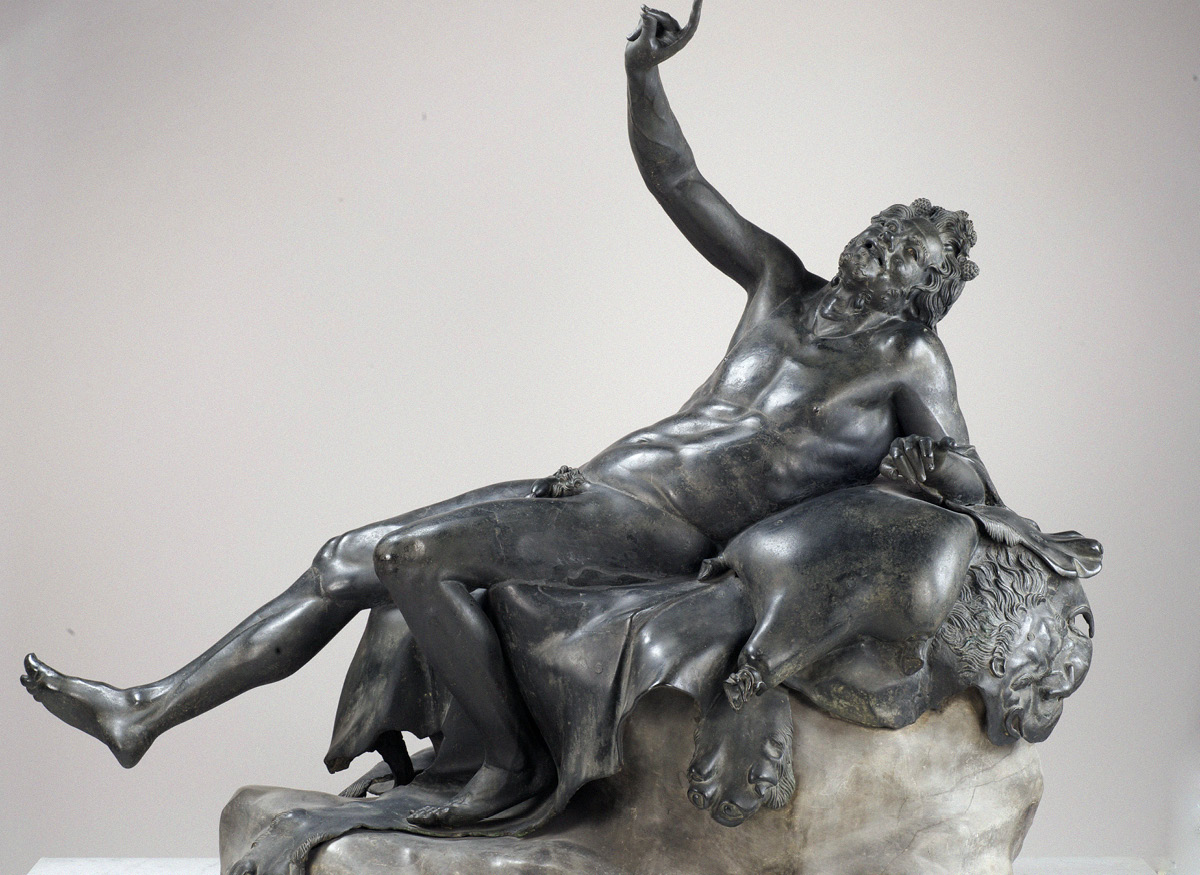
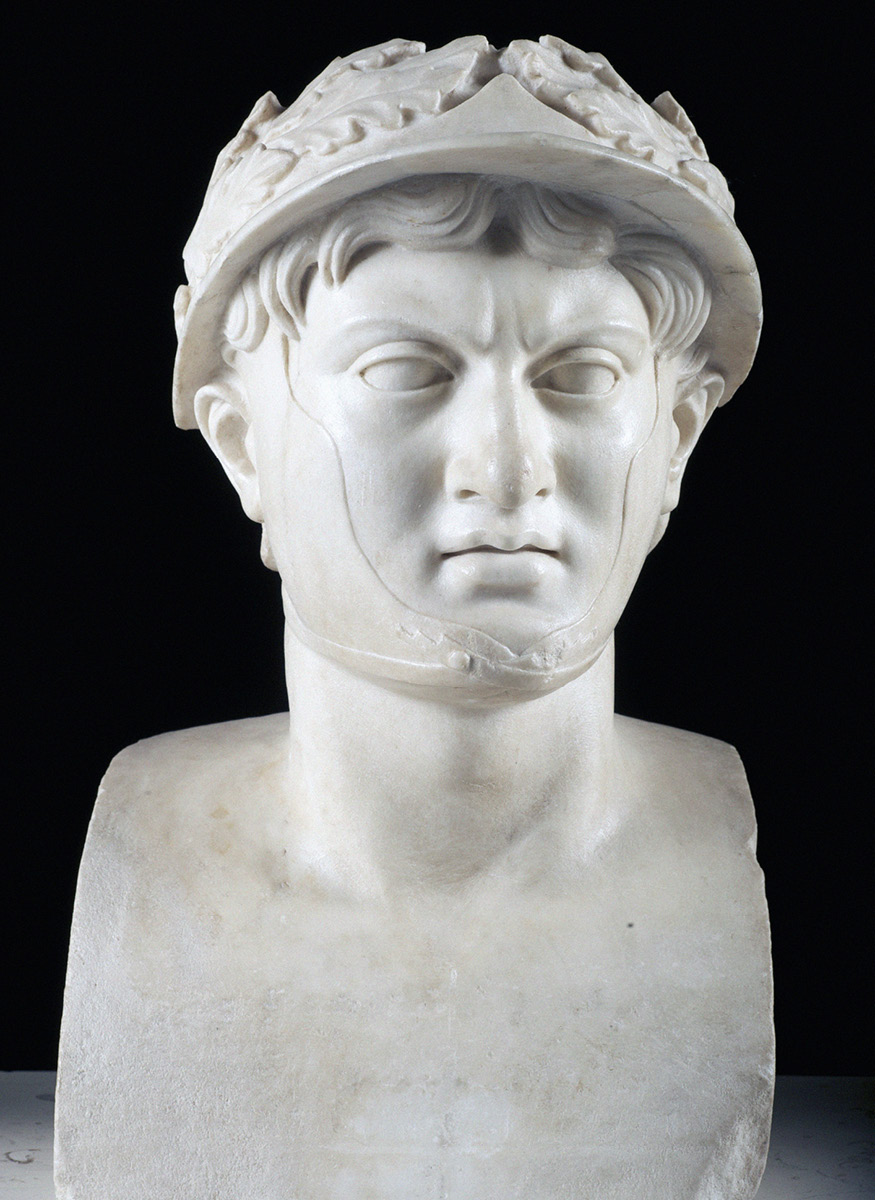
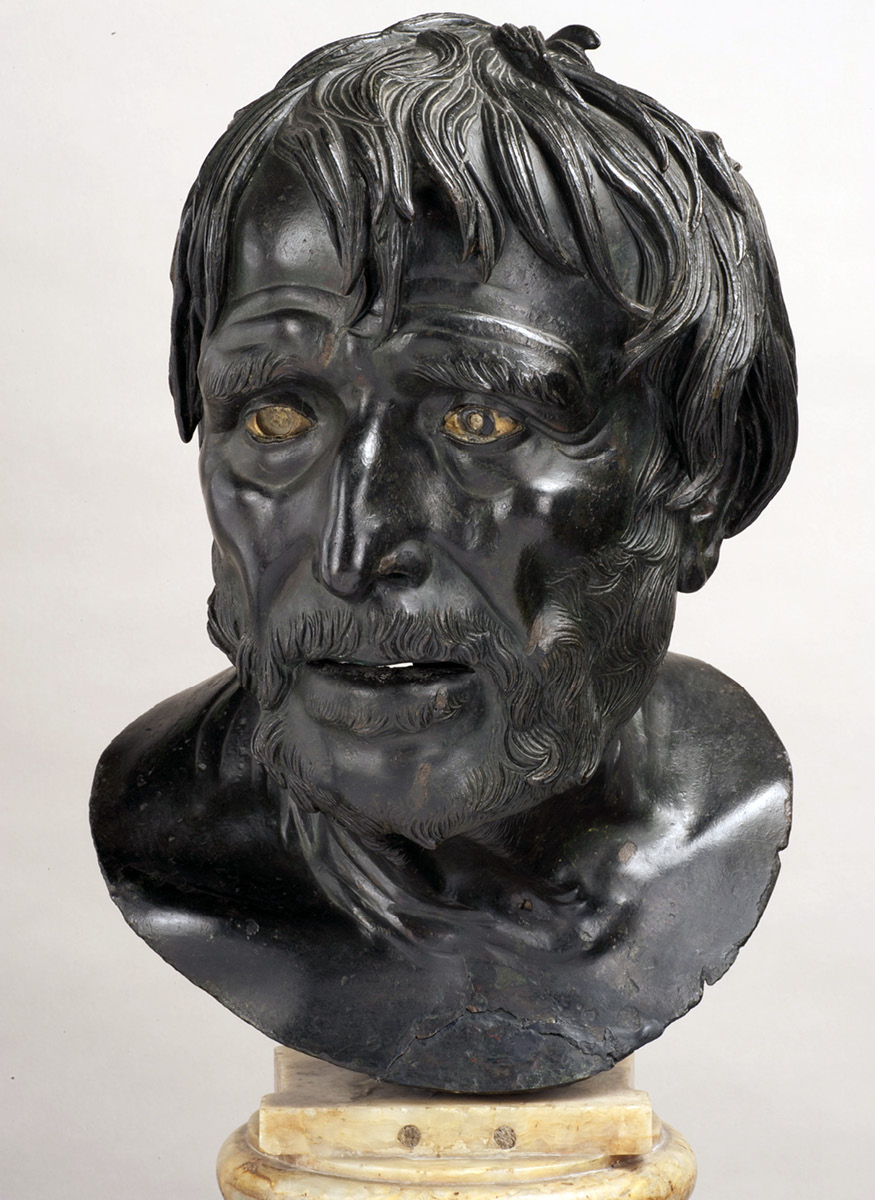
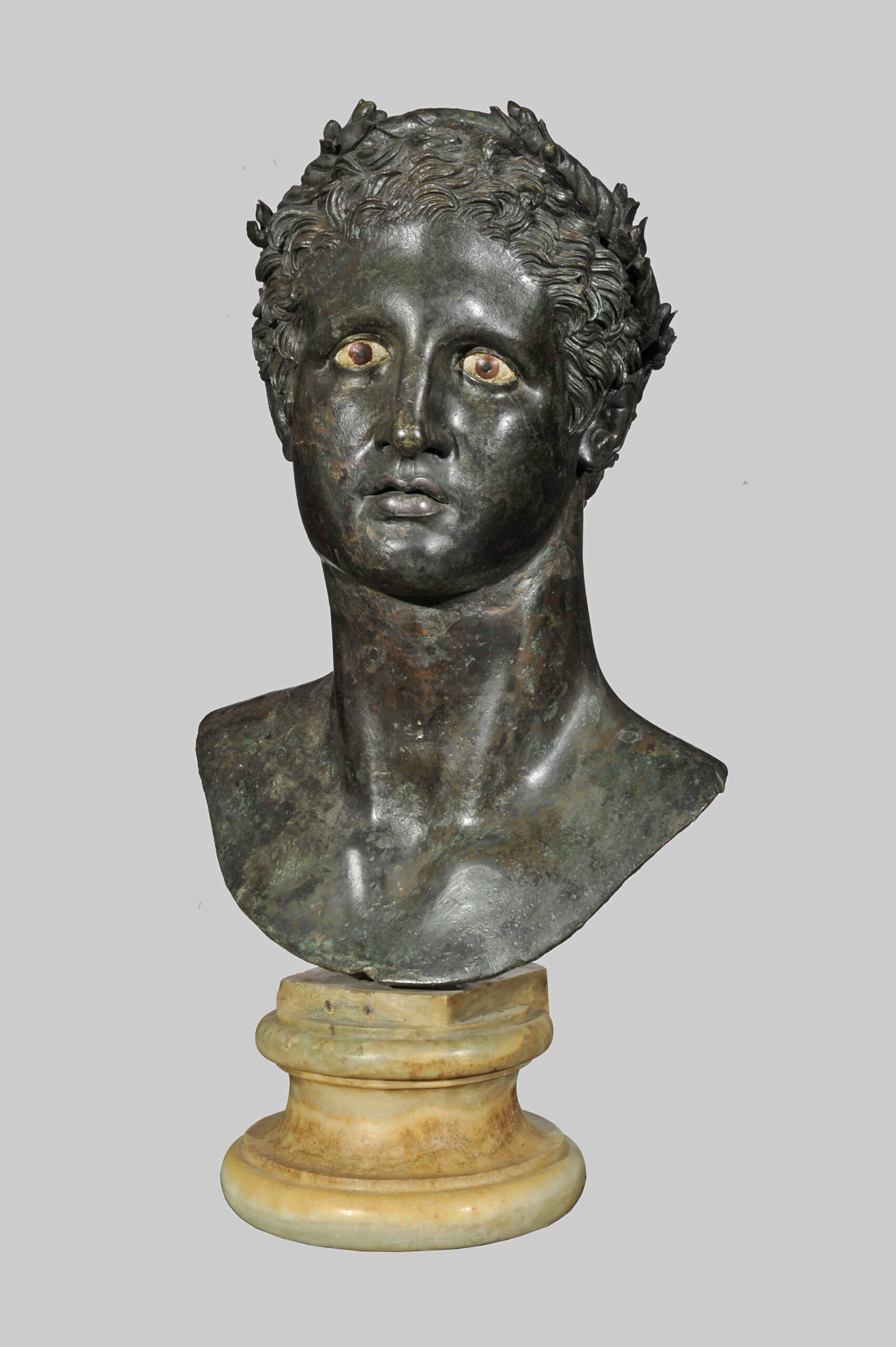
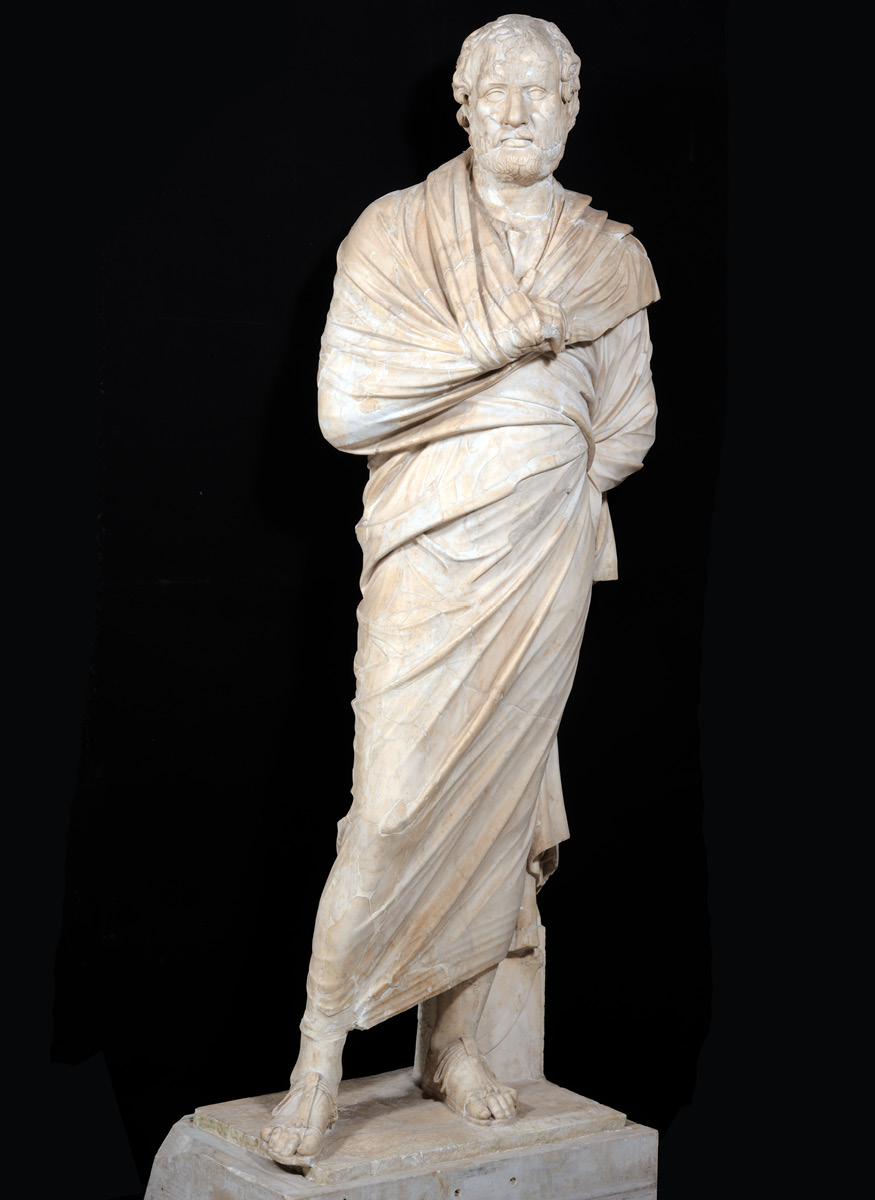
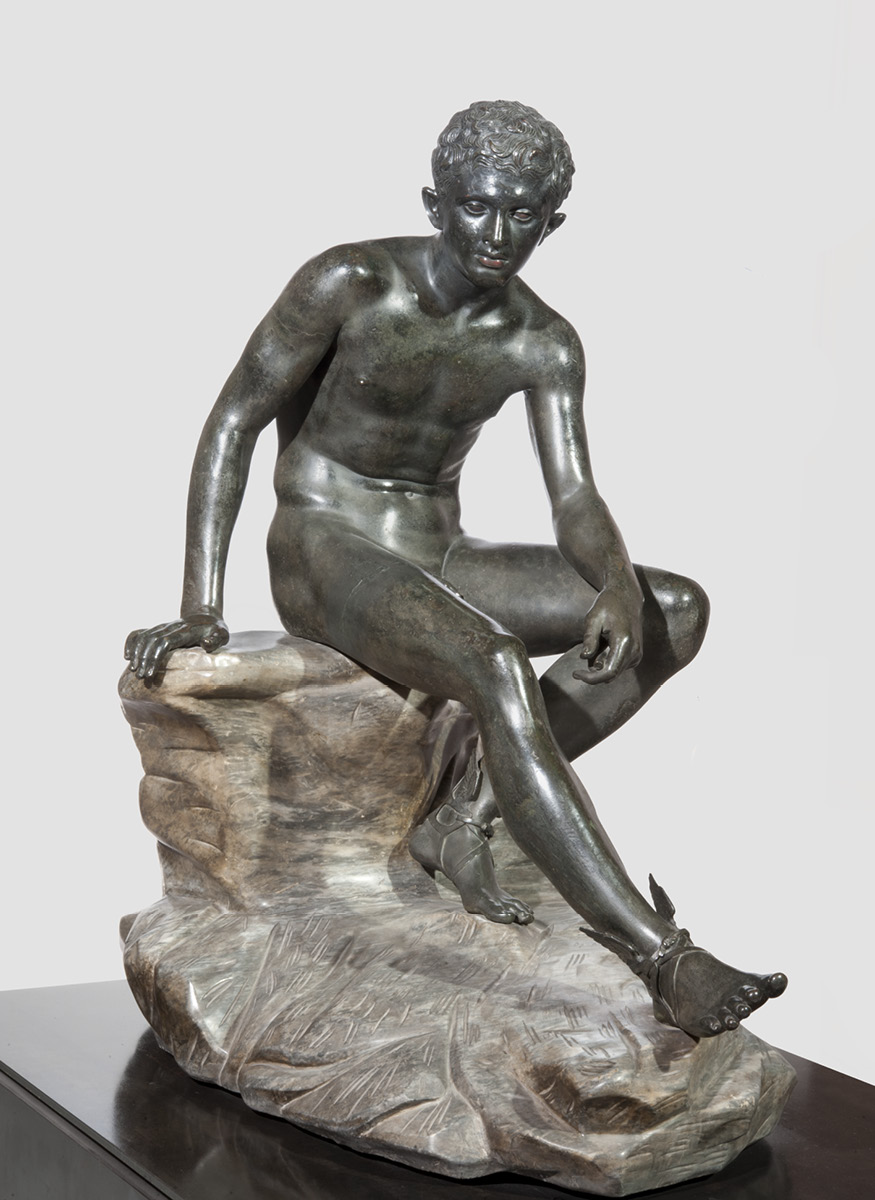
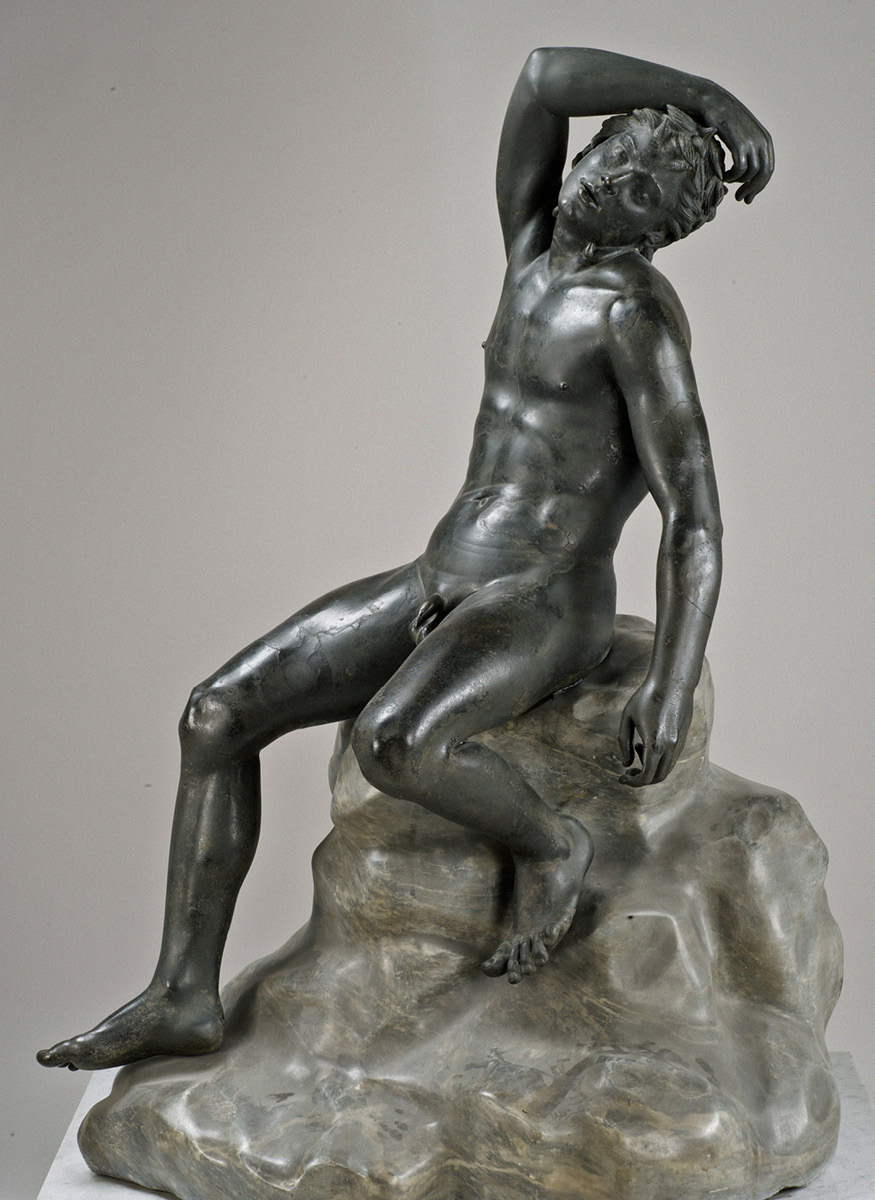
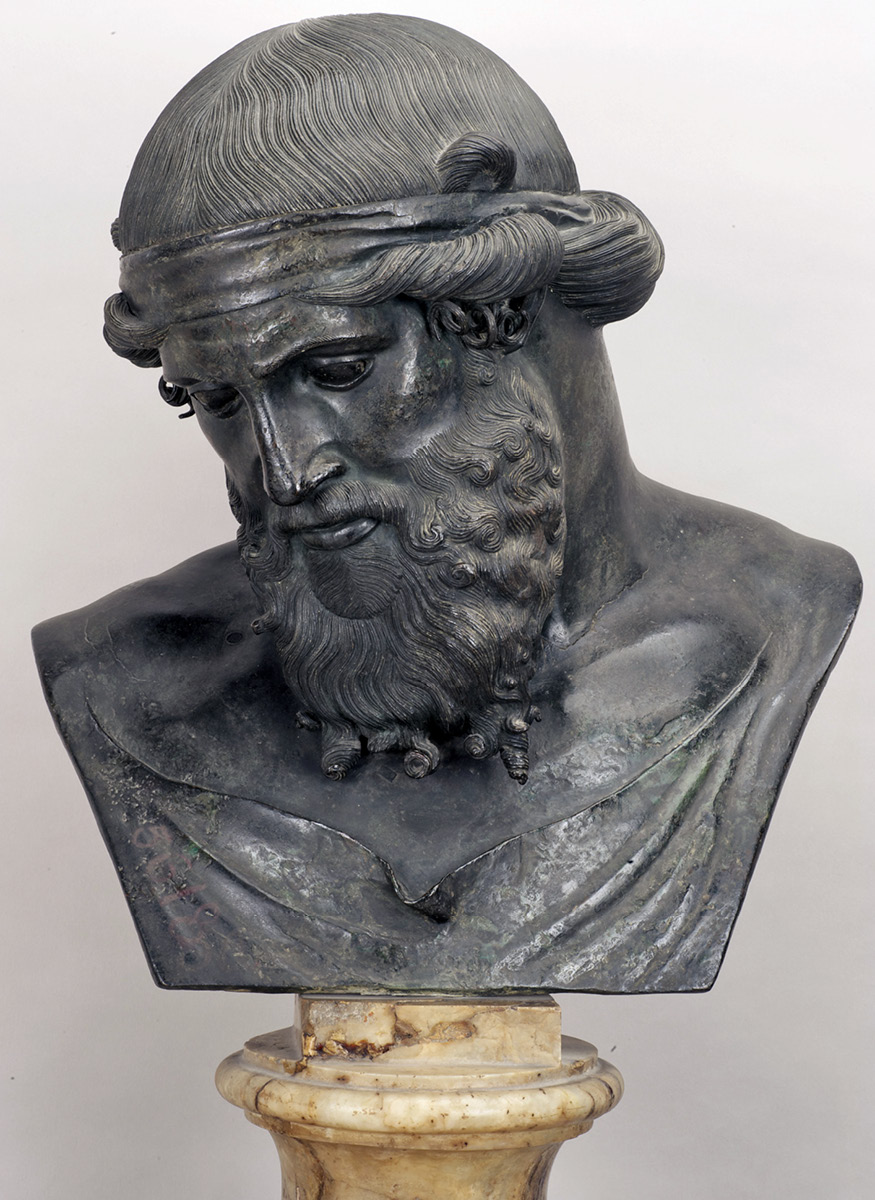
The sculptures of the Villa dei Papiri make up the most significant group of Roman bronze sculptures to have surived to this day, with unique masterpieces of ancient art, such as the runners, the resting Hermes, the drunken satyr and portraits of kings and philosophers.
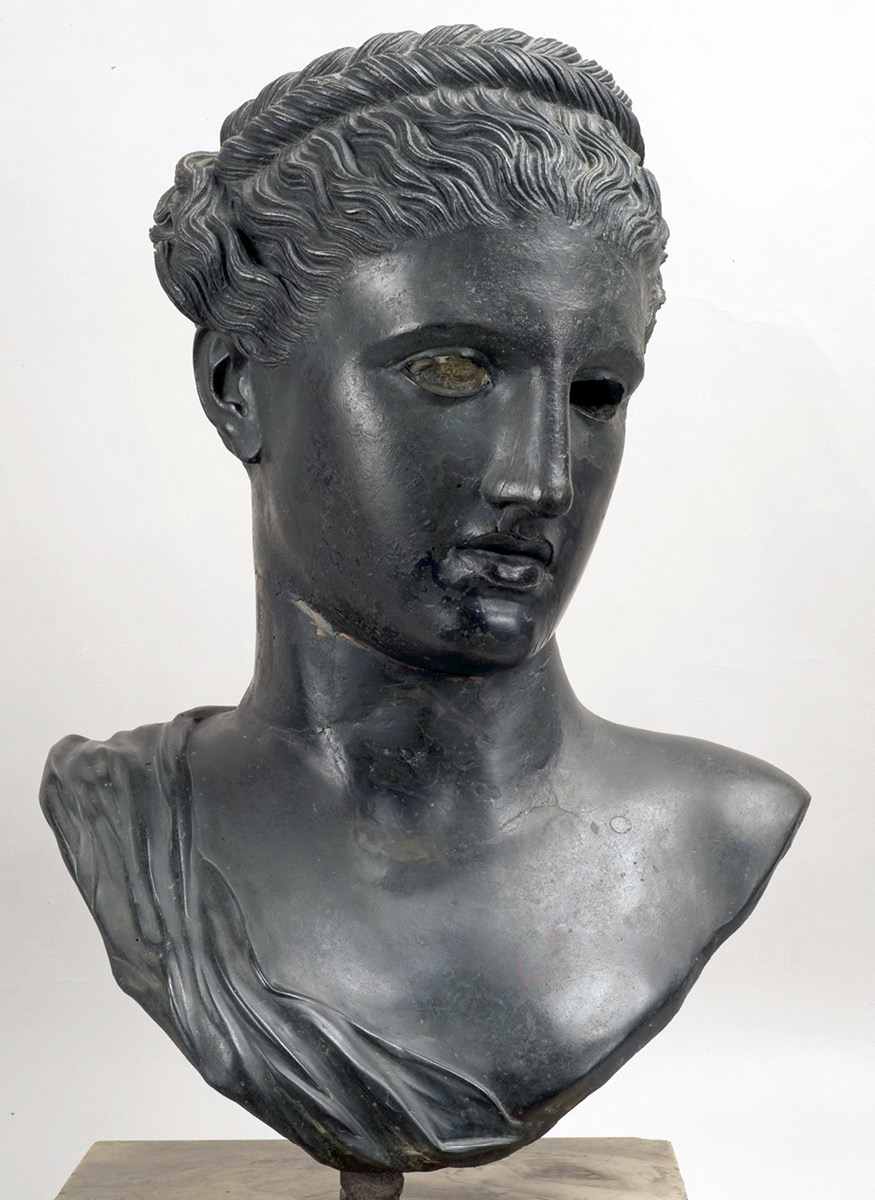
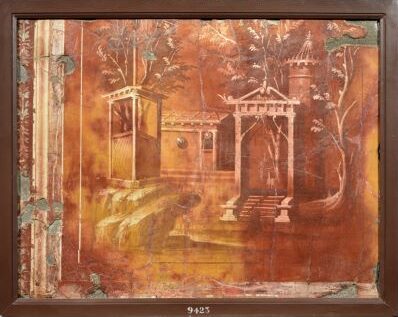
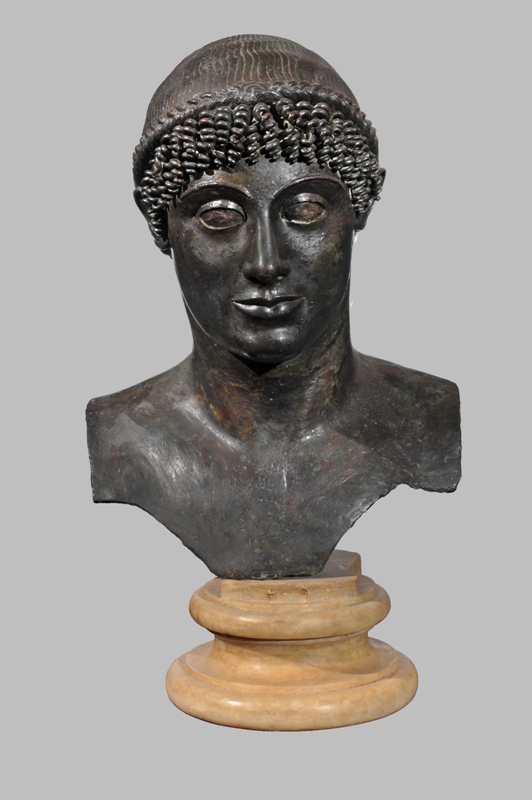
The newly refurbished set-up also displays some of the works which were previously preserved in the storage of the Museum, such as a portrait of Hercules crowned with an olive branch, a precious fresco with a landscape from the 1st century BC and a bronze head of Apollo, known as Kouros Pisoni, which can be dated to the late 1st century BC.