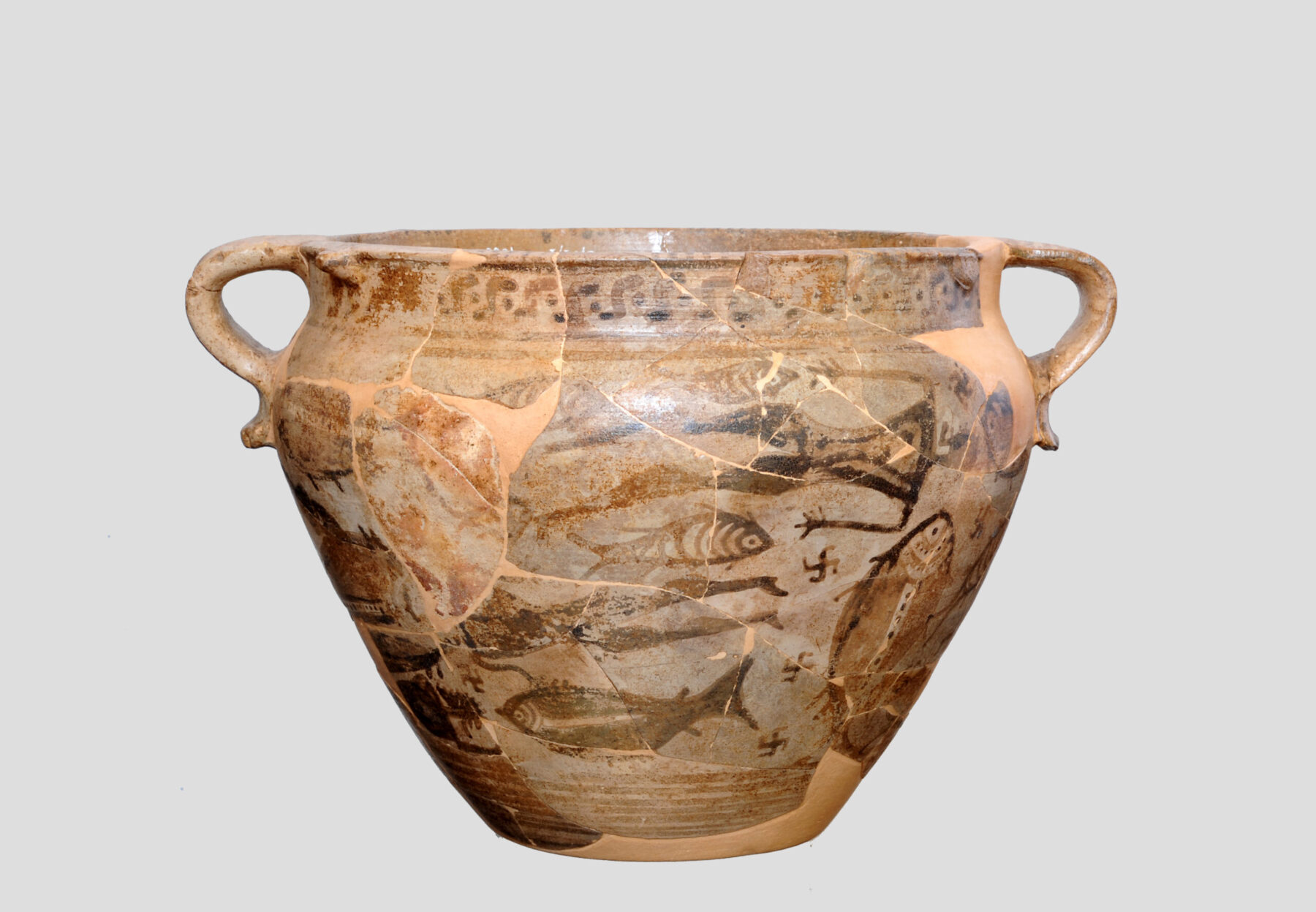
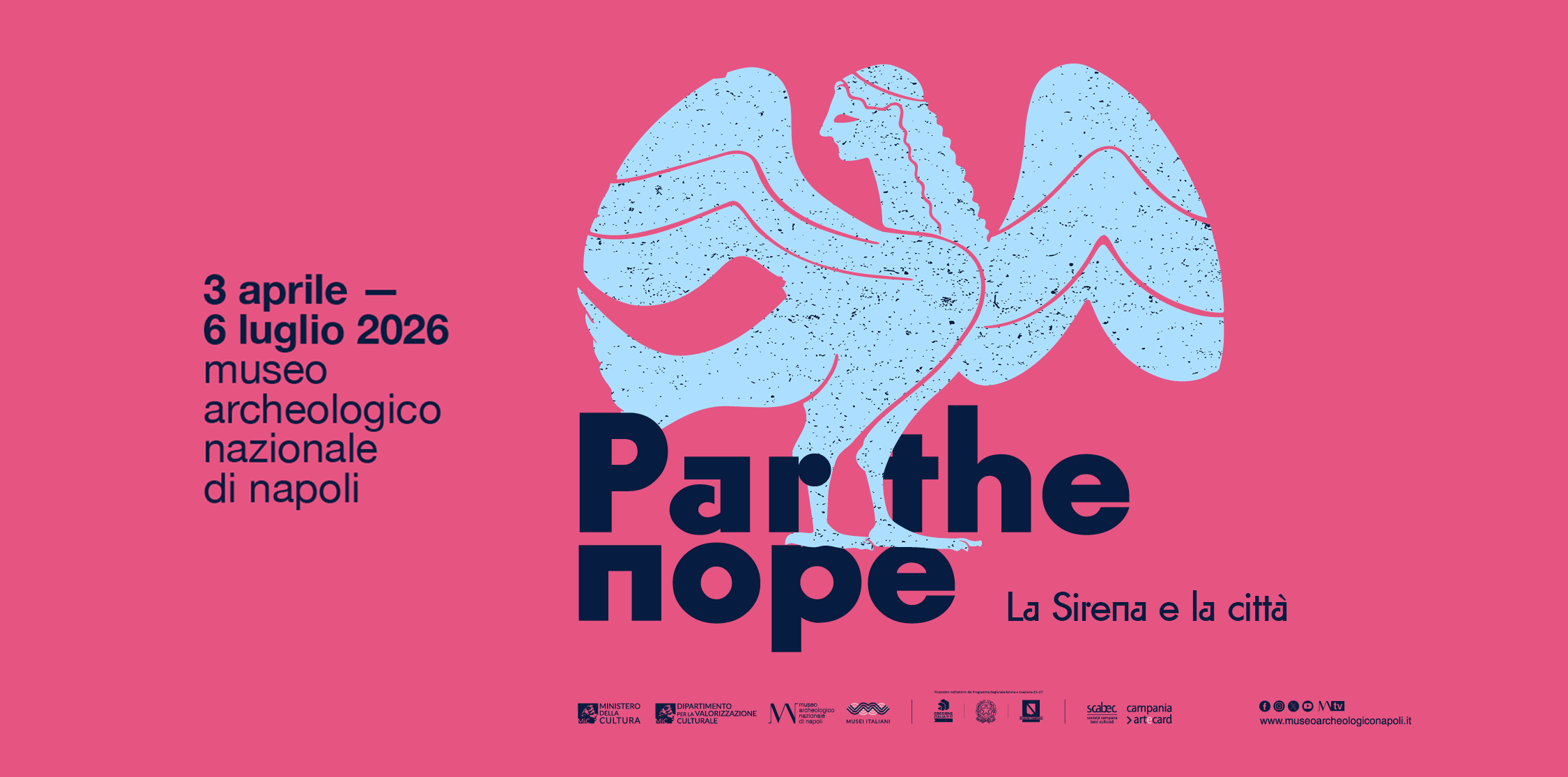
An extraordinary exhibition dedicated to the long-standing relationship between the Siren Parthenope and the city of Naples is about to be launched, spanning history, myth, archaeology, and cultural anthropology, from the first Greek settlement on the promontory of Pizzofalcone to the street art of contemporary Naples.
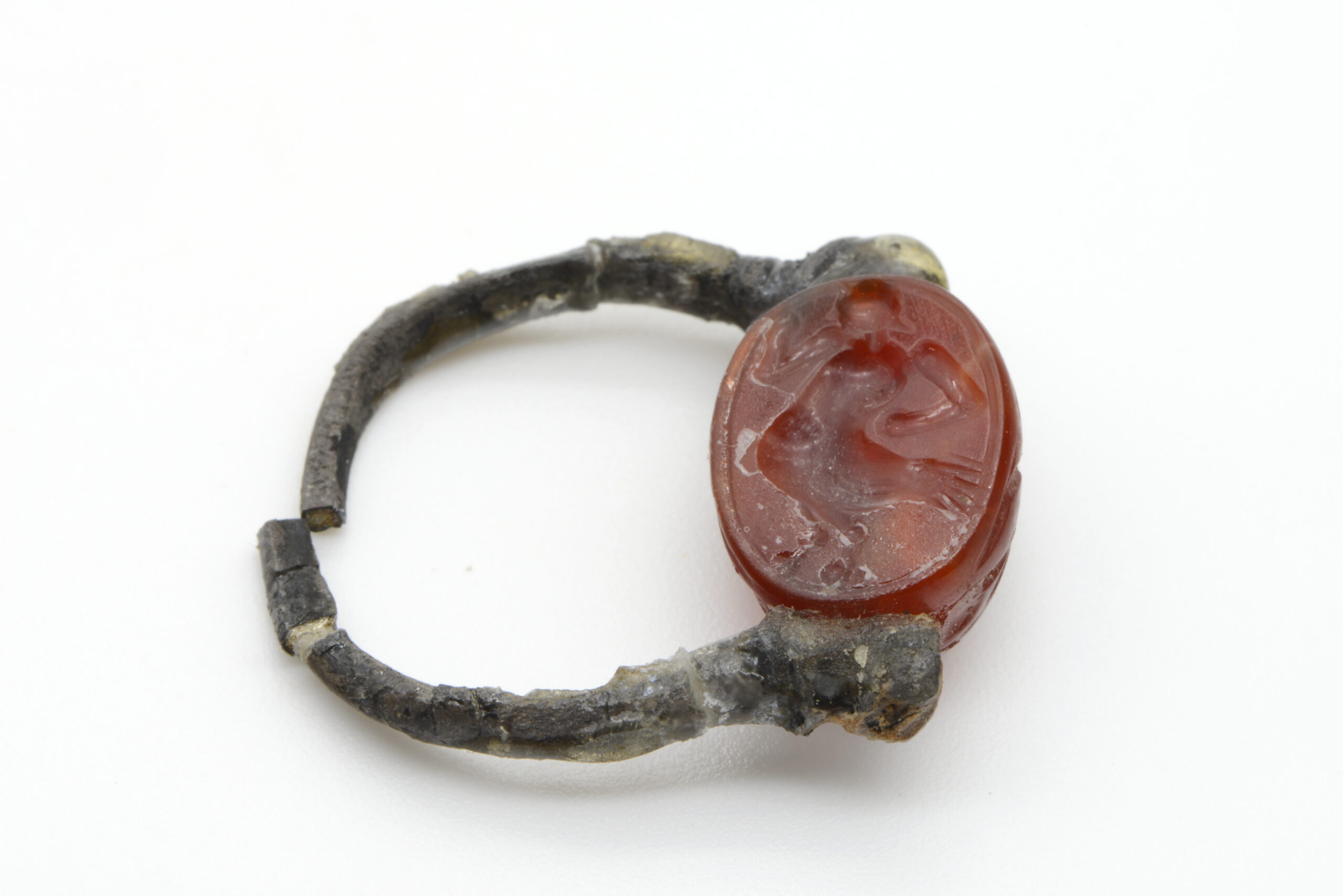
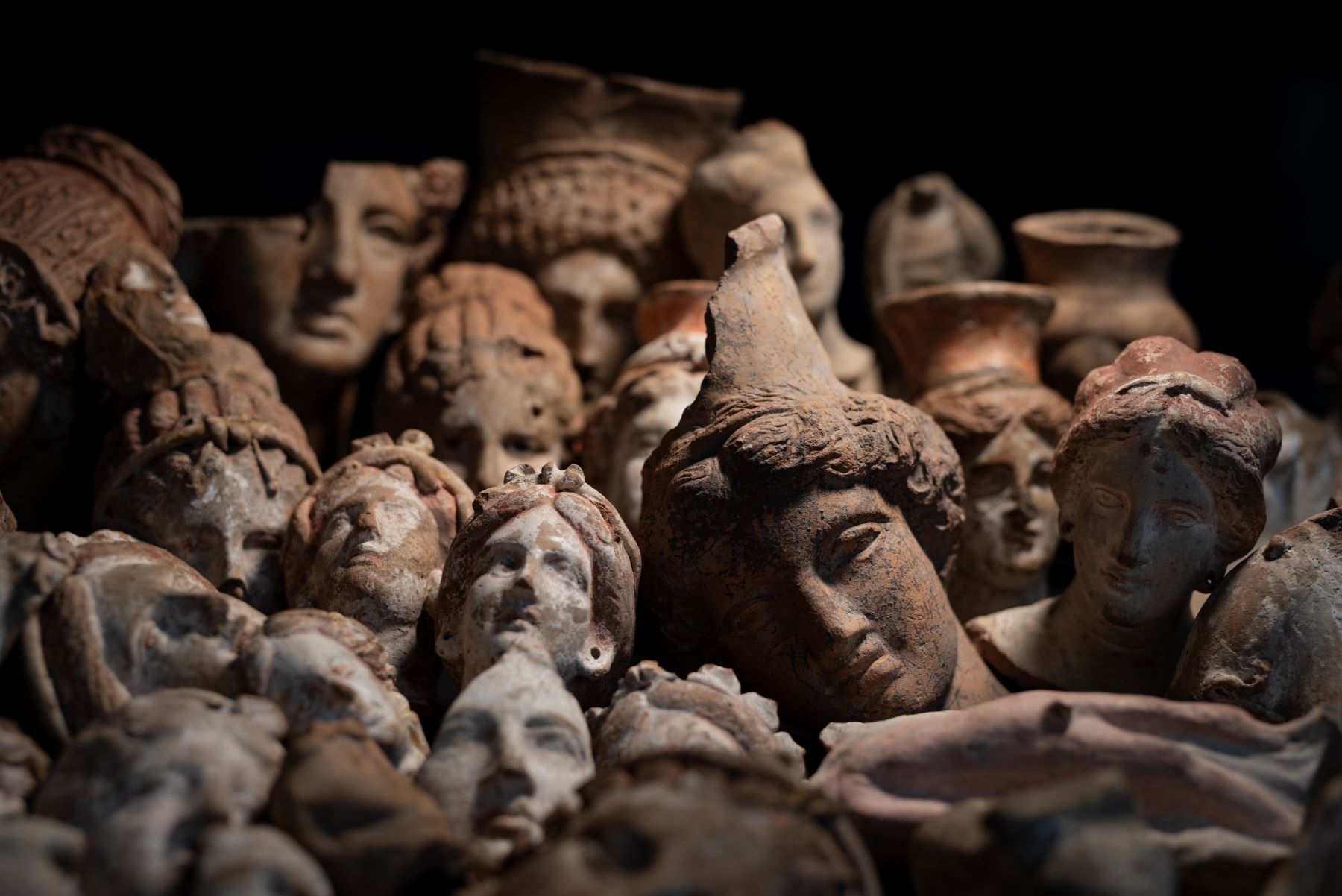
The exhibition will feature more than 250 works, dating from the 8th century BC to the contemporary era, including loans of very precious artefacts from over forty museums, not only Italian, but also European and American ones. Furthermore, the exhibition has relied on a multidisciplinary scientific committee and has benefited from the active involvement of the Superintendencies and universities in the Campania region.
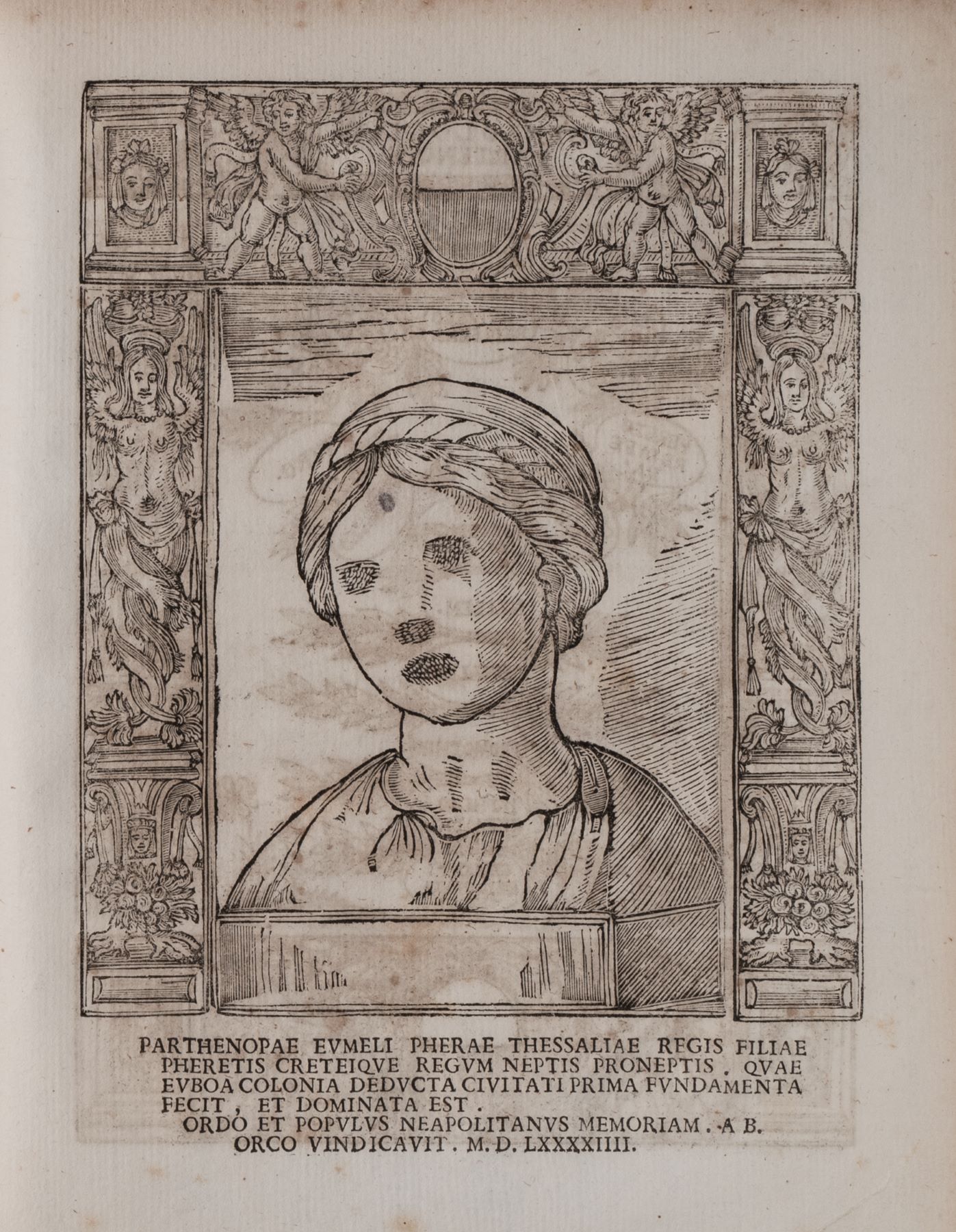
The idea for the exhibition stems from a reflection on the centuries-old roots of the Siren in the Neapolitan collective imagination: all kind of people know that Parthenope is the mythical founder of the city and feel identified with this hybrid being, connected to the sea and navigation, to music and seduction.
Neverthless, as often happens when a character or theme becomes common knowledge, this same knowledge appeaes blurred and lost in rivulets and variations.
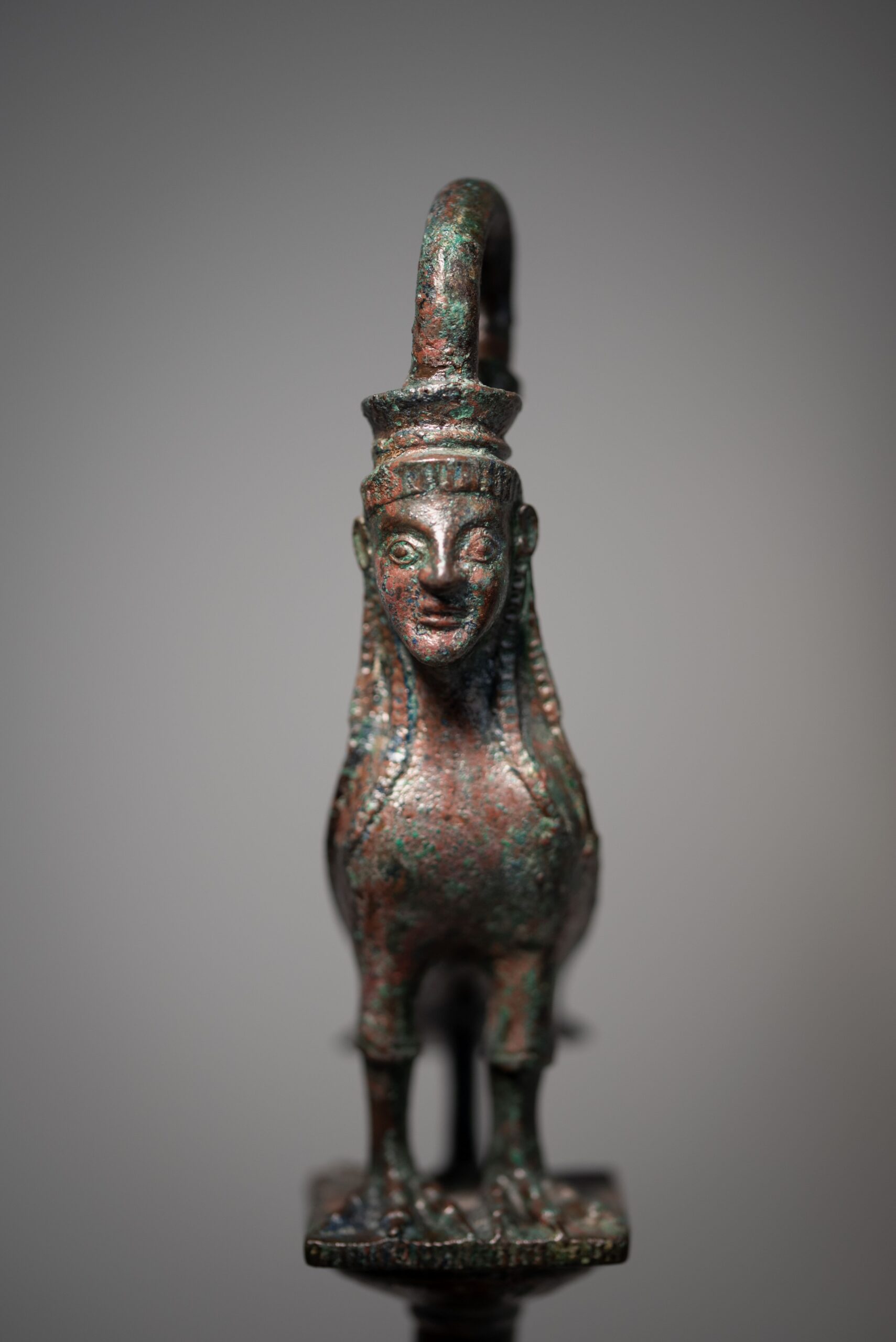
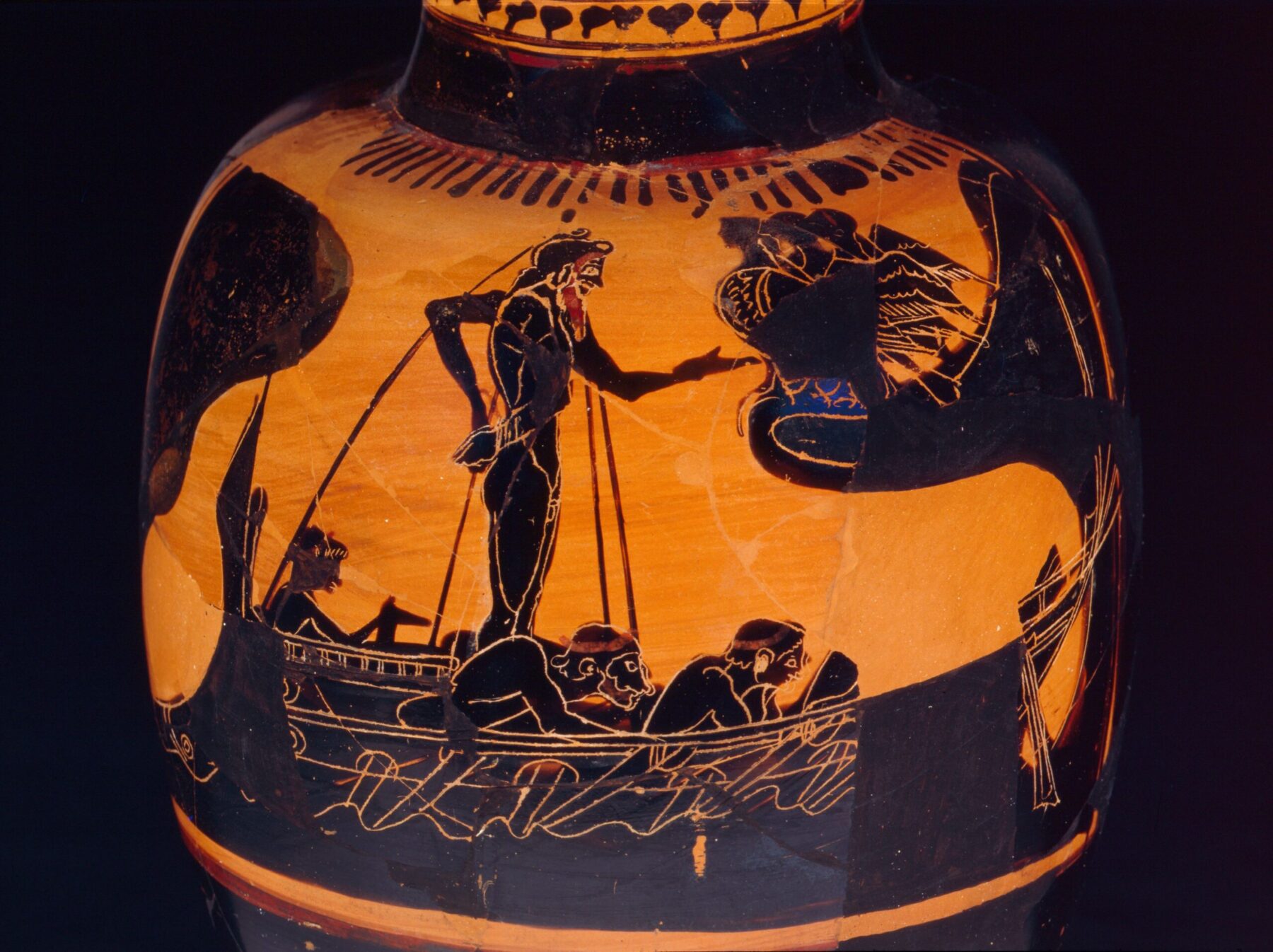
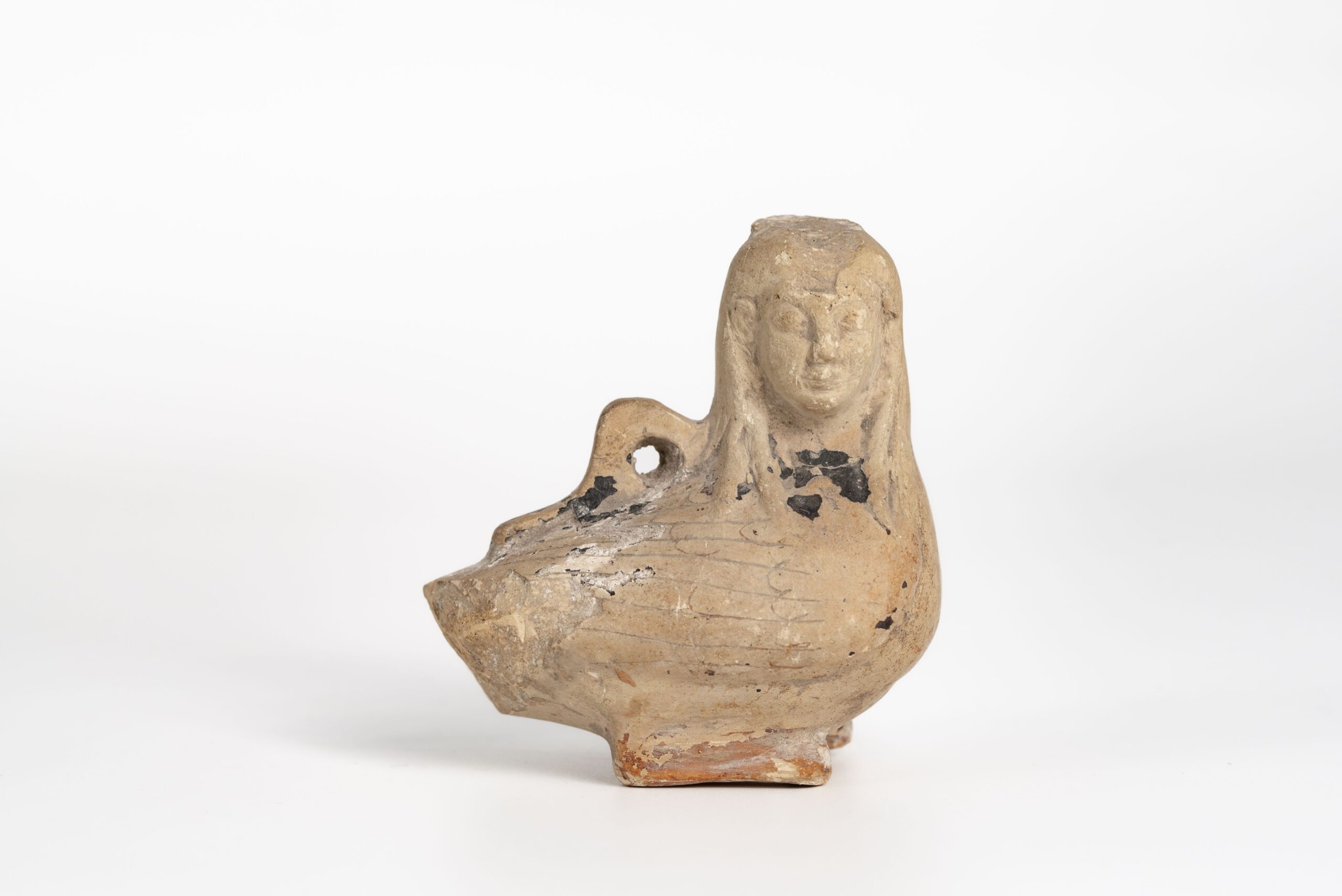
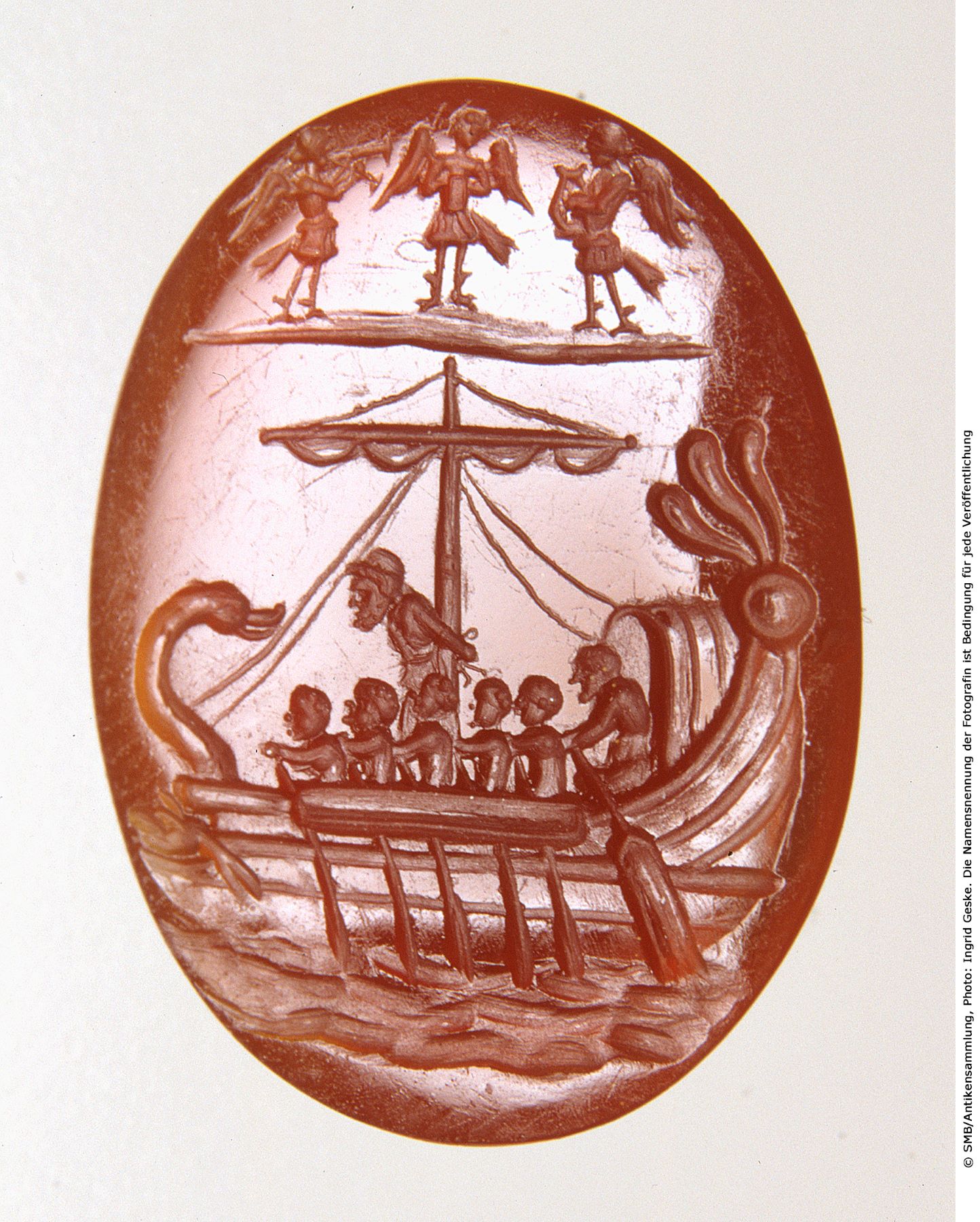
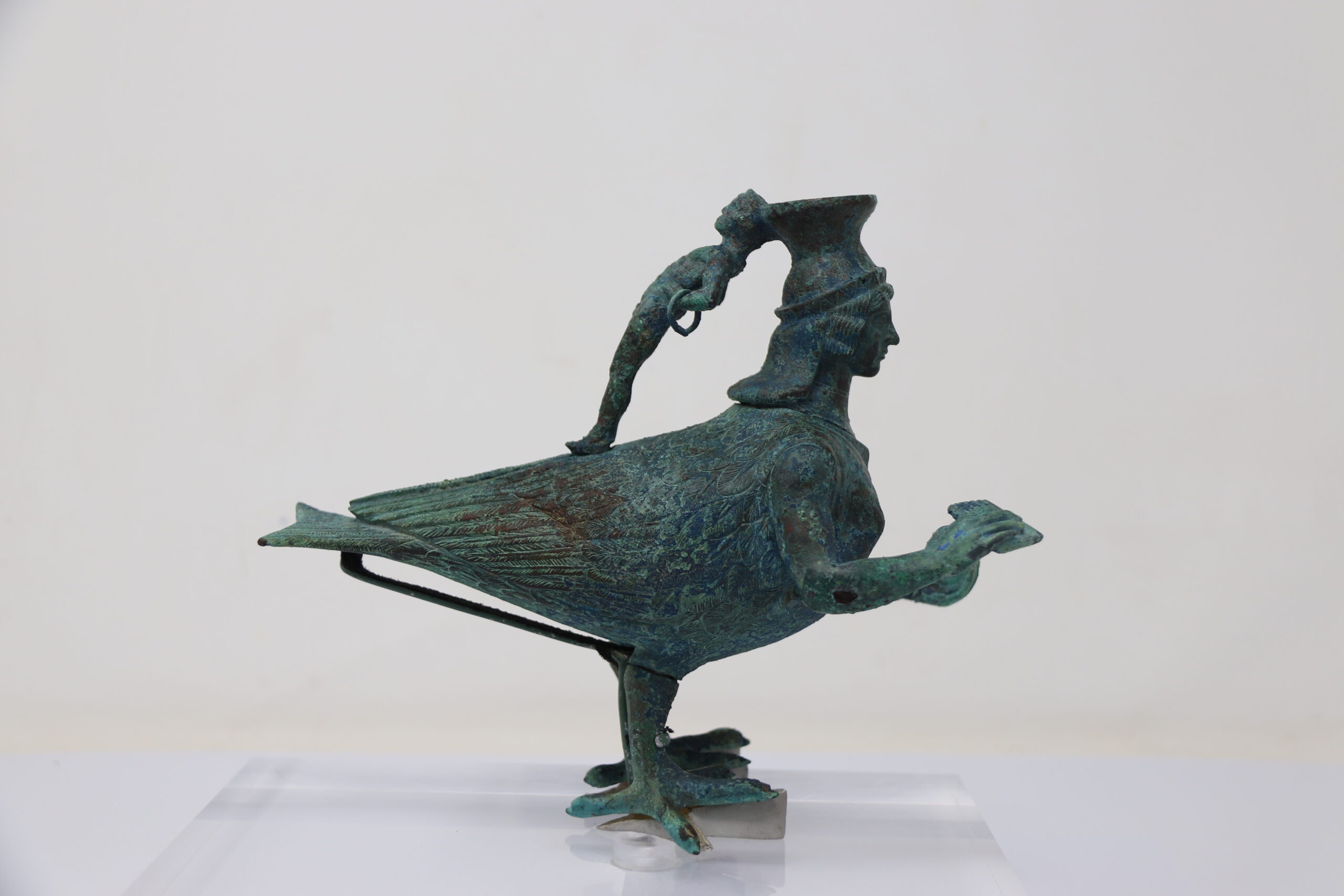
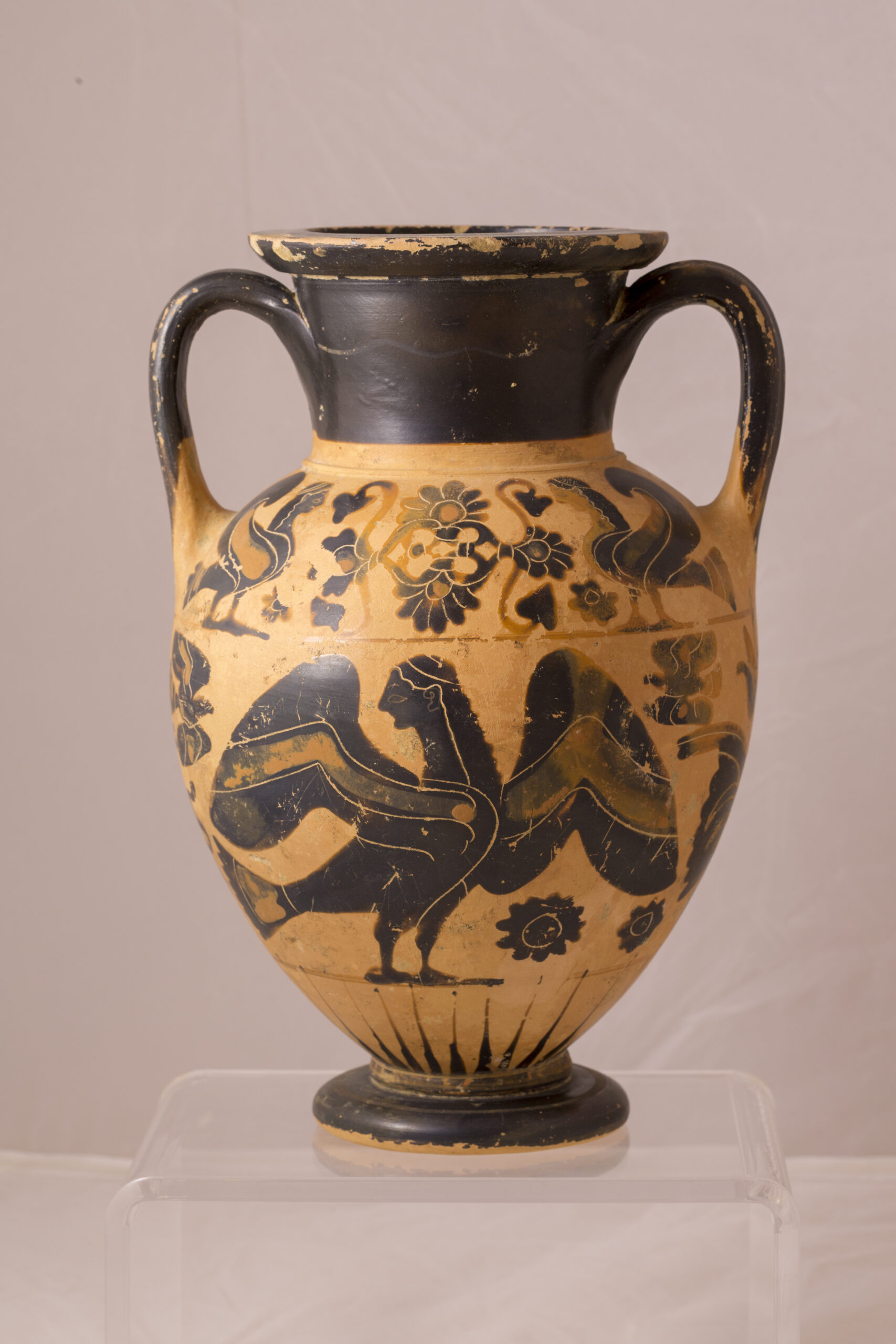
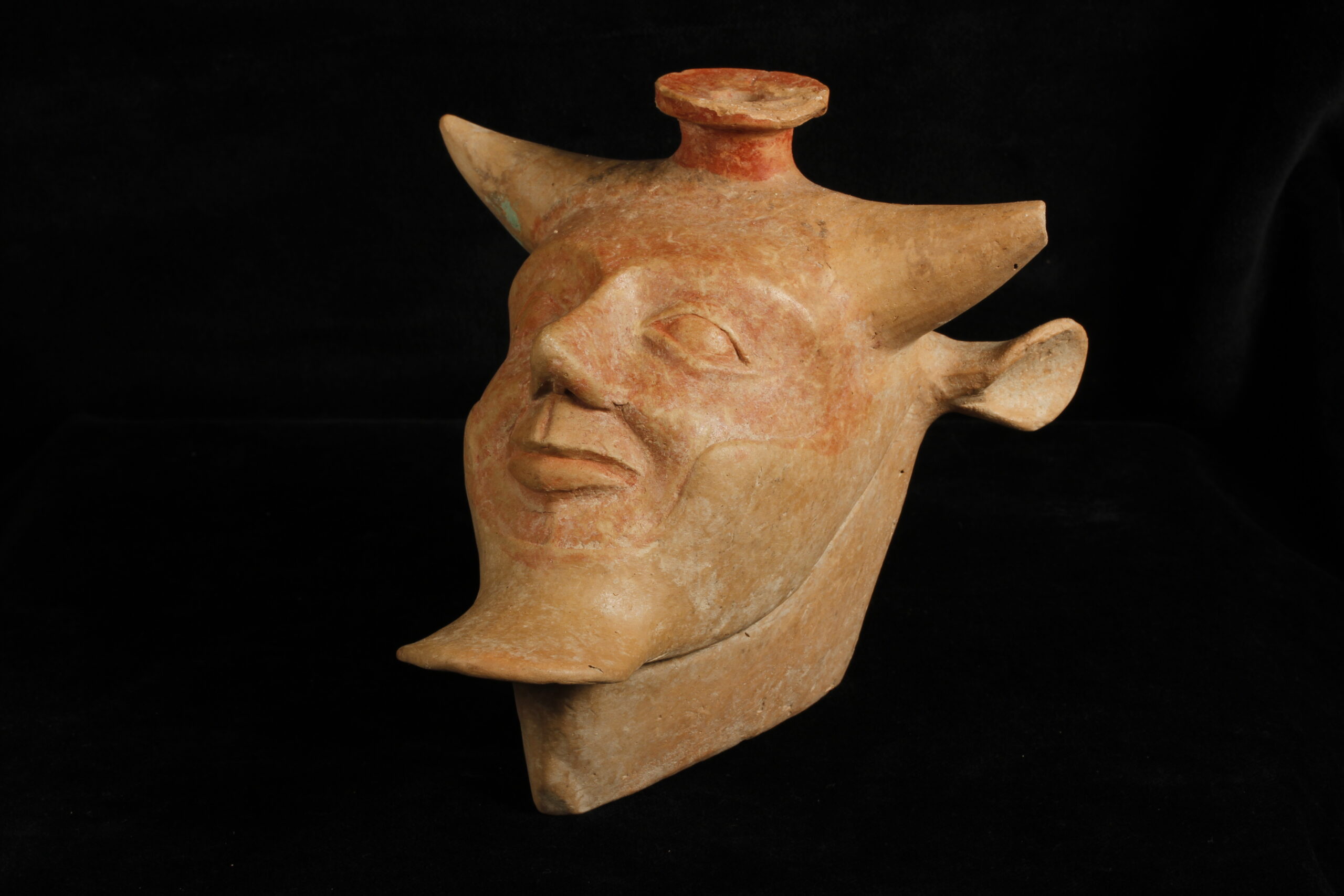
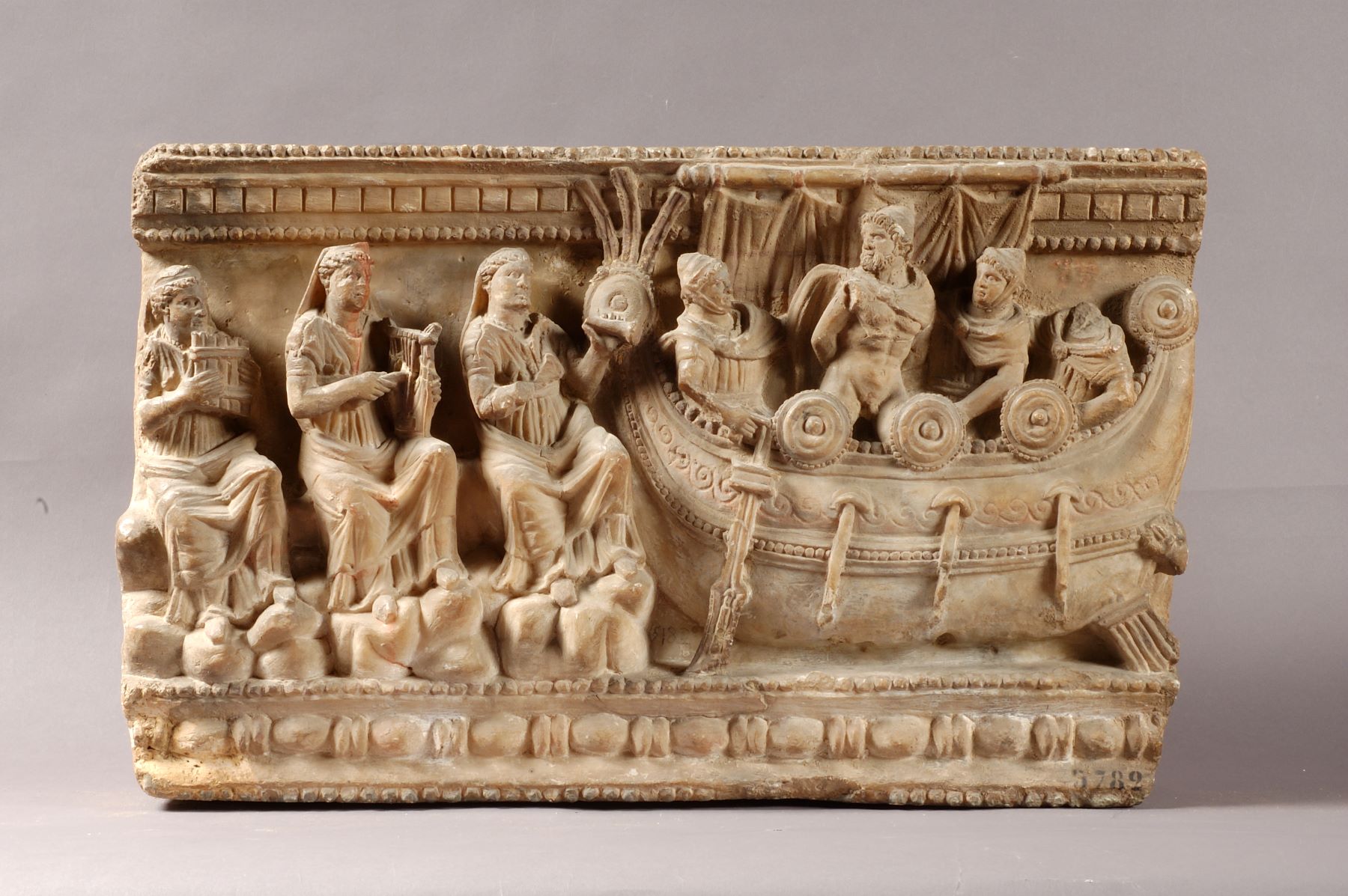
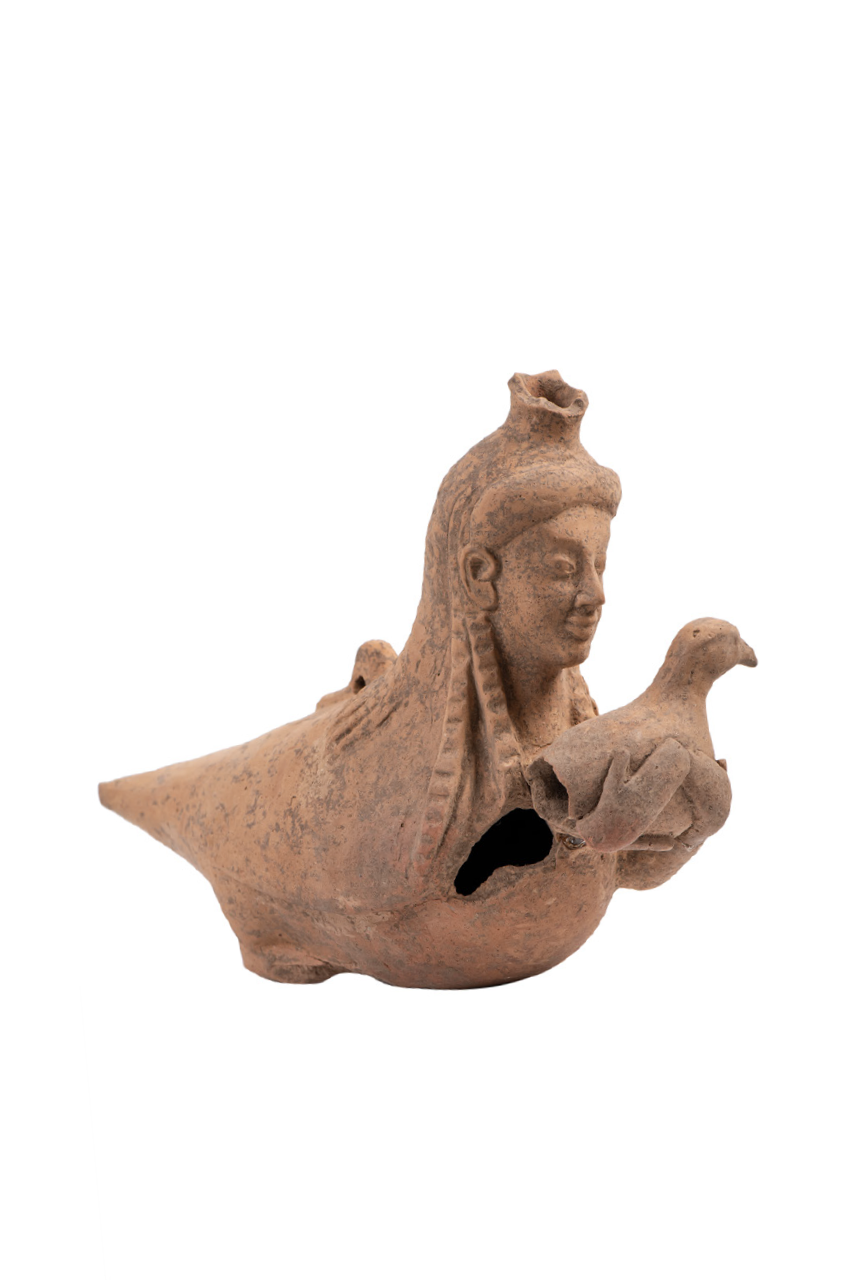
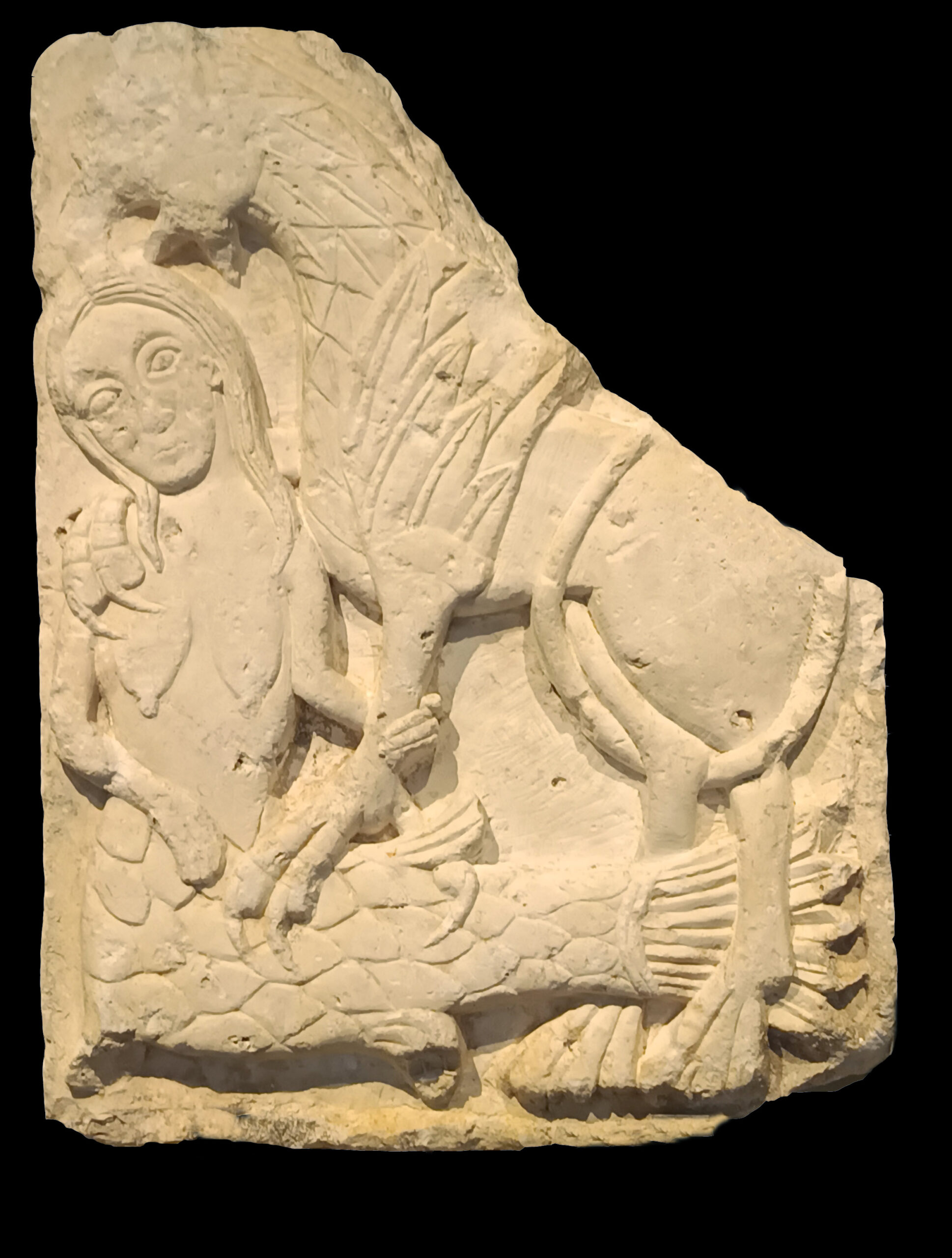
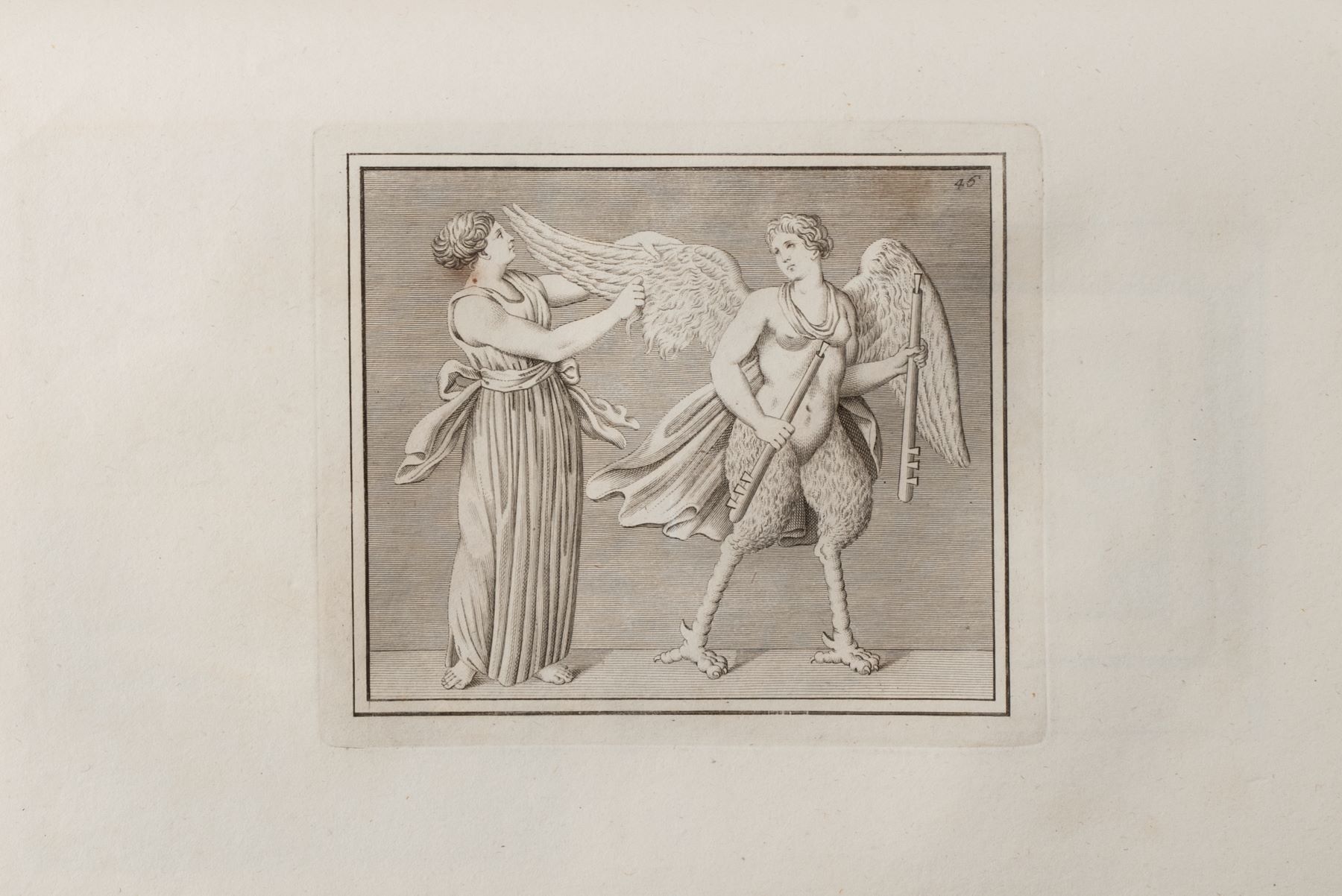
The exhibition, therefore, aims first and foremost to shed light on the Sirens’ shape and the progressive and extraordinary metamorphosis these beings have been going through over the centuries: from birds with human heads to women with bird legs and then, in the Early Middle Ages, to women with fish tails. Starting from the archetypal episode of the encounter with Odysseus narrated by Homer, the exhibition will illustrate the mythical events in which the Sirens are protagonists, and their functional transformation from dangerous enchantresses to benevolent companions, génies des passes.
A comprehensive multimedia setup will enrich the exhibition, communicating more immediately and effectively the mythical tales and characteristics of the rites.
Large space will be given to the history of the settlement of Parthenope on the promontory of Pizzofalcone, with the presentation of never seen materials, some from private collections and some unearthed during recent excavations carried out for the Metro. These materials allow us to date the site’s foundation to the 8th century BC and to clarify the network of commercial and cultural exchanges in which it was embedded.
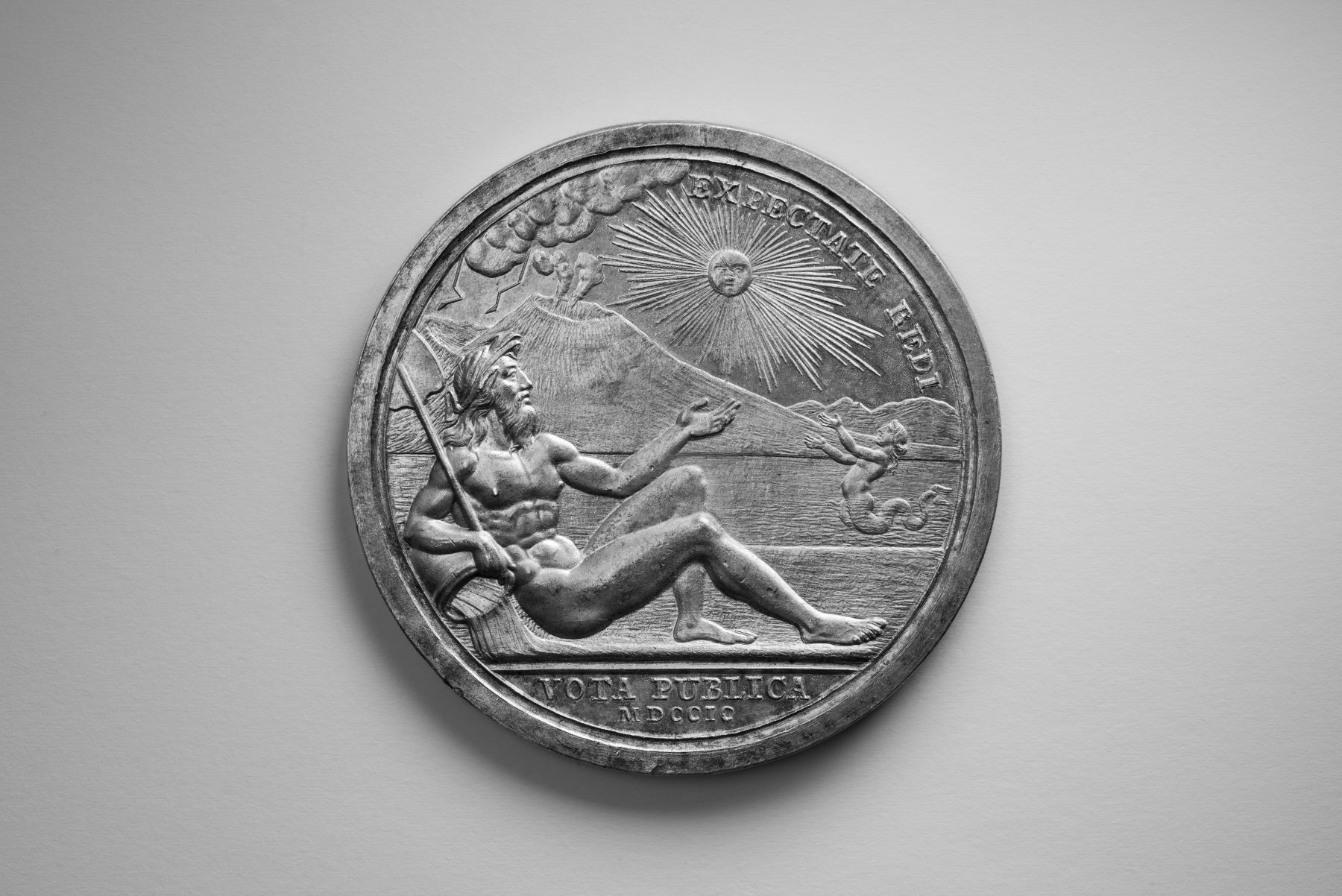
The exhibition will continue showing the ritual and political function of the Siren in Neapolis, the “New City”, founded a short distance from Parthenope at the end of the 6th century BC, and the persistence of this character in history, artistic, musical, and audiovisual production, as well as in the religion of the modern and contemporary city.
The initiative will also include the creation of a site-specific work in the MANN entrance hall, by the artist Francisco Bosoletti, who will focus on the Siren Parthenope’s suicidal dive, which becomes a generative event for the city. The artist will work in front of the public, starting on the 24th of March 2026, until its completion by the exhibition’s opening, on the 3rd of April.
The exhibition will be on display in the rooms on the third floor of the museum building; it is accessible by wheelchair via elevators.
This initiative is cofunded by Regione Campania and Scabec – Società Campana Beni Culturali with funds from campania>artecard”