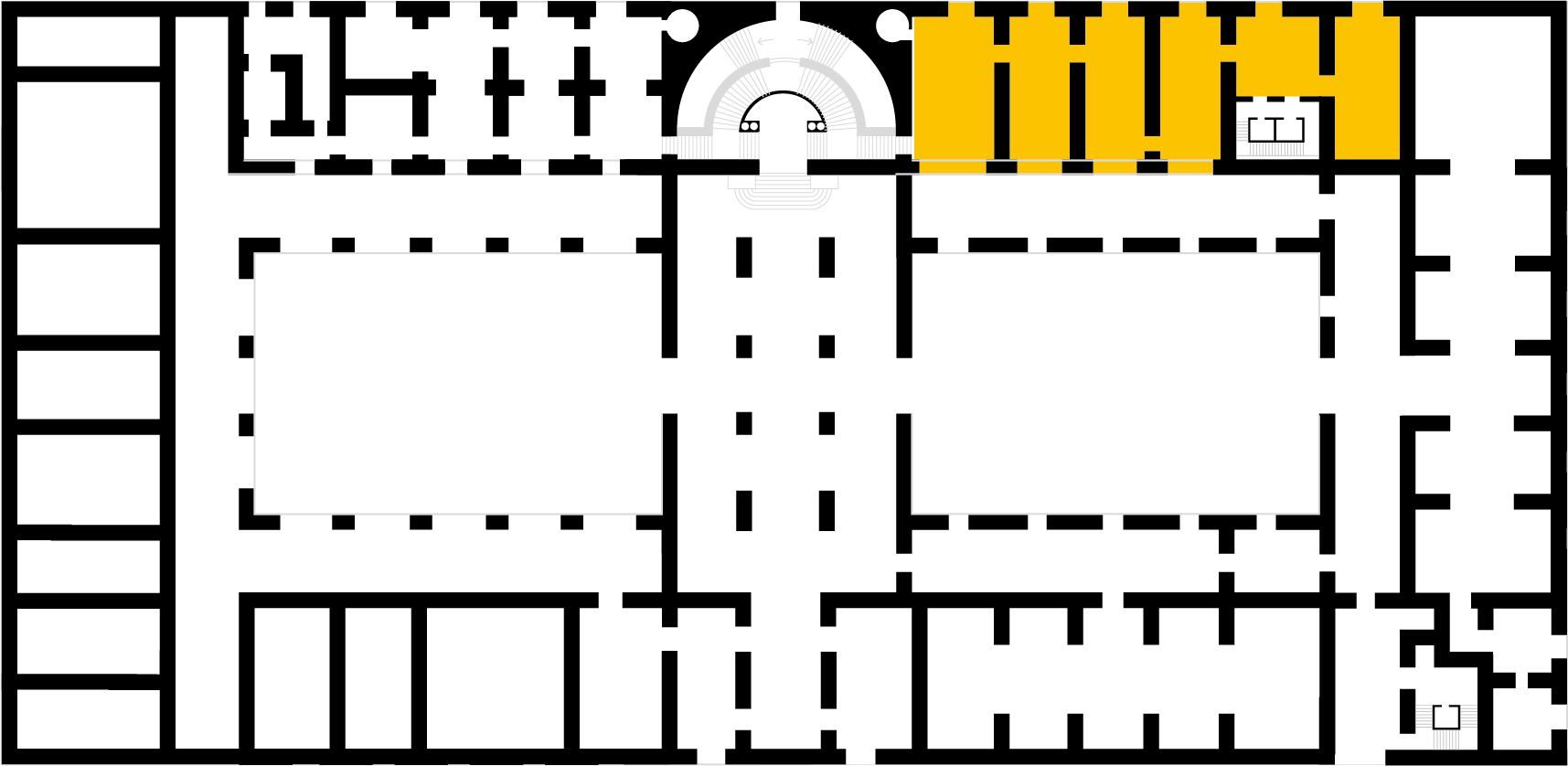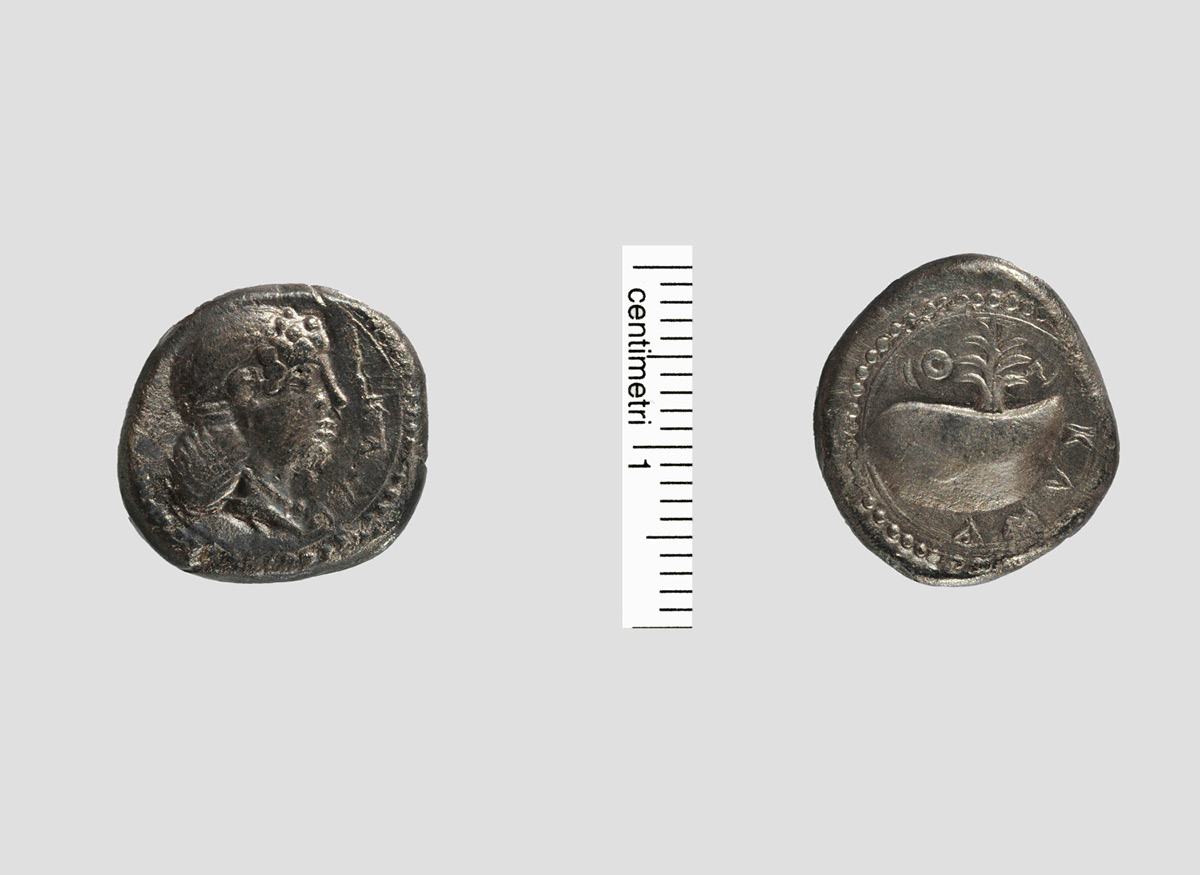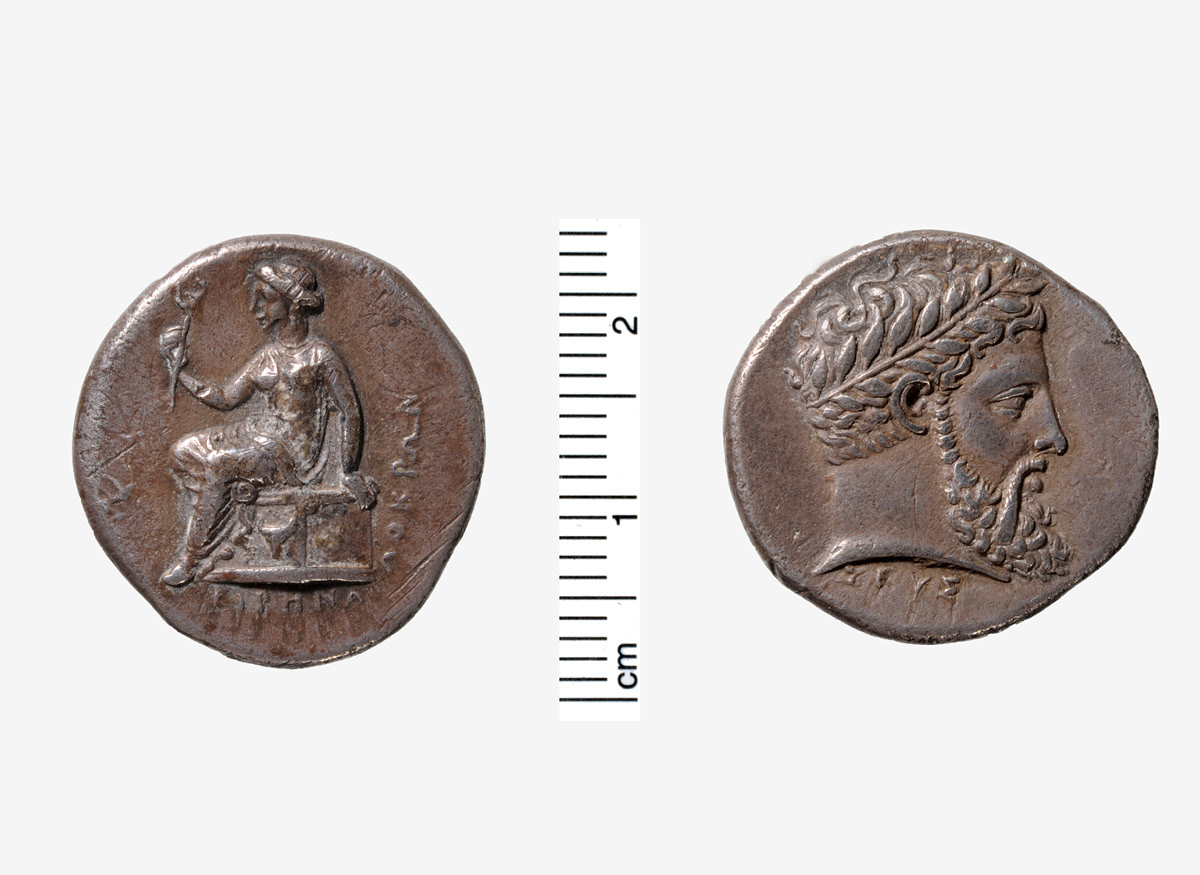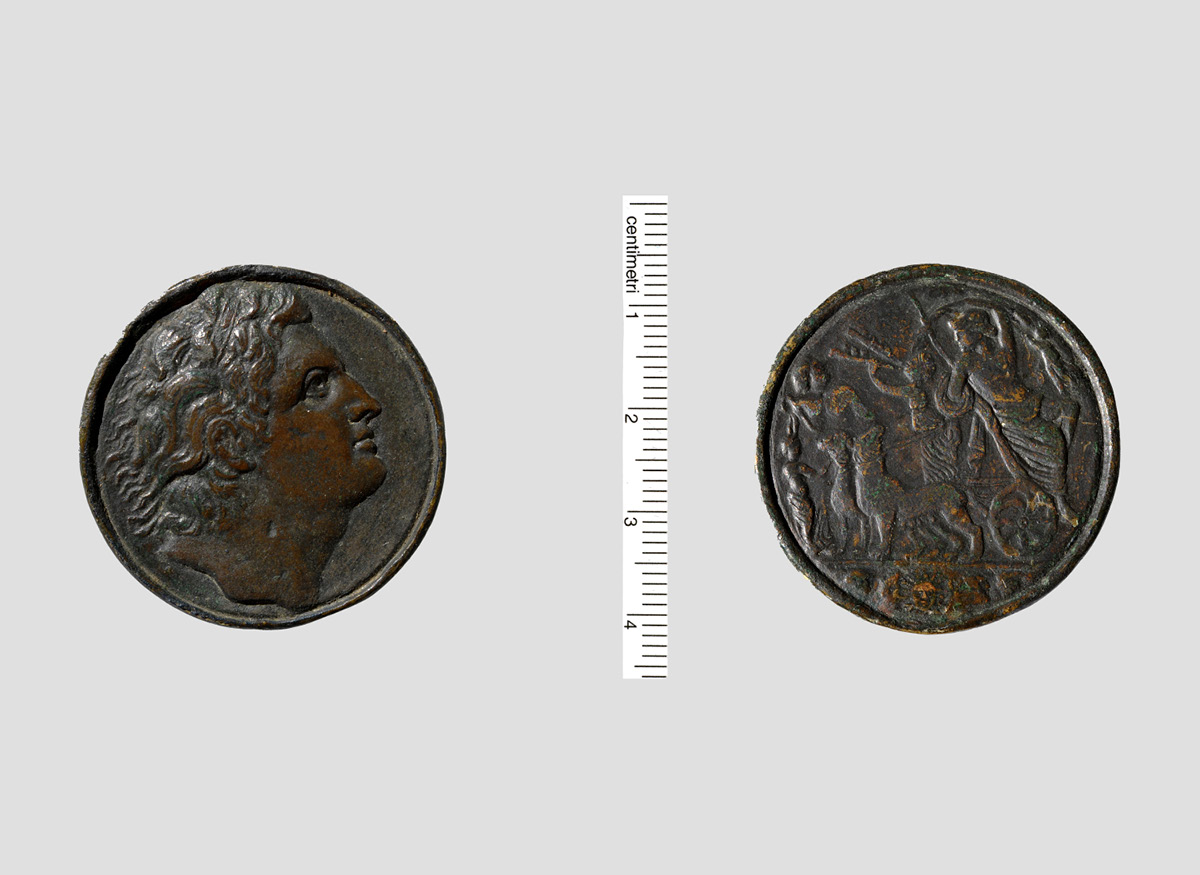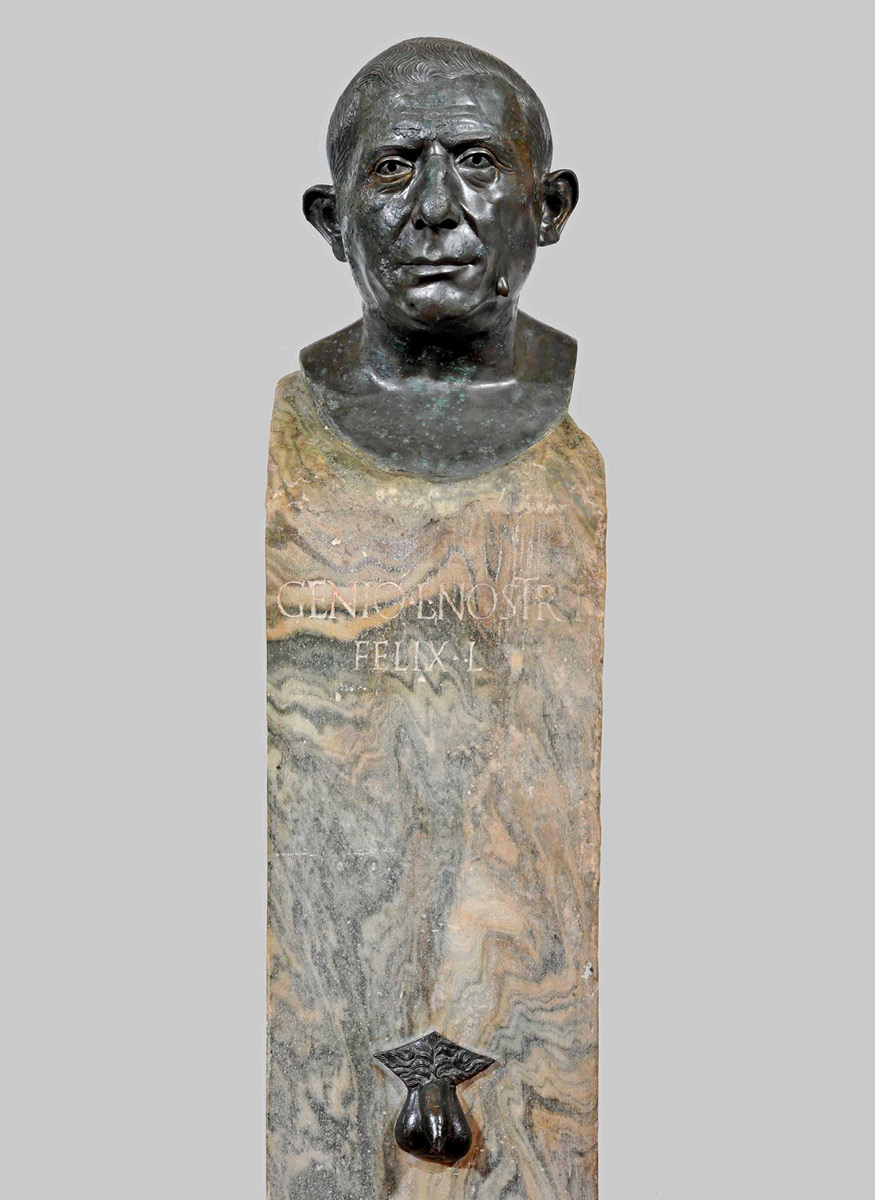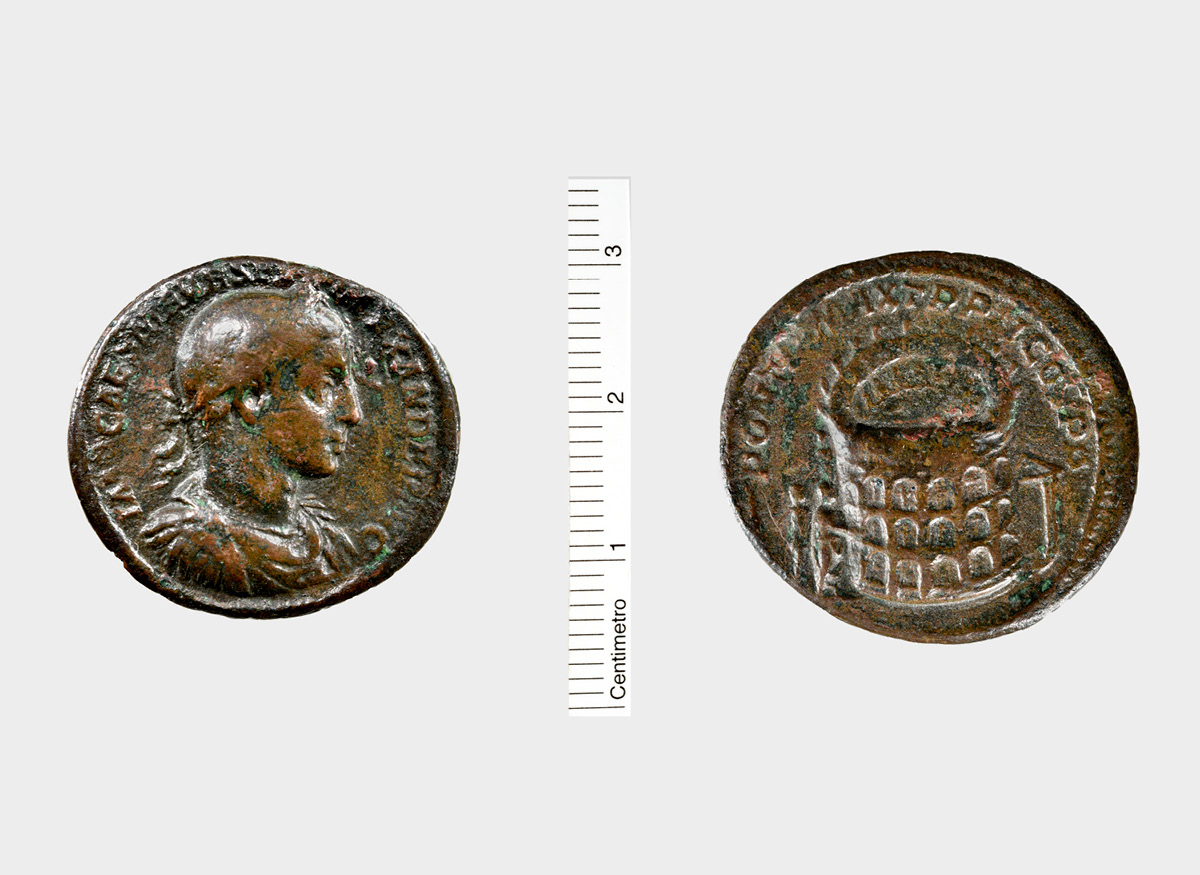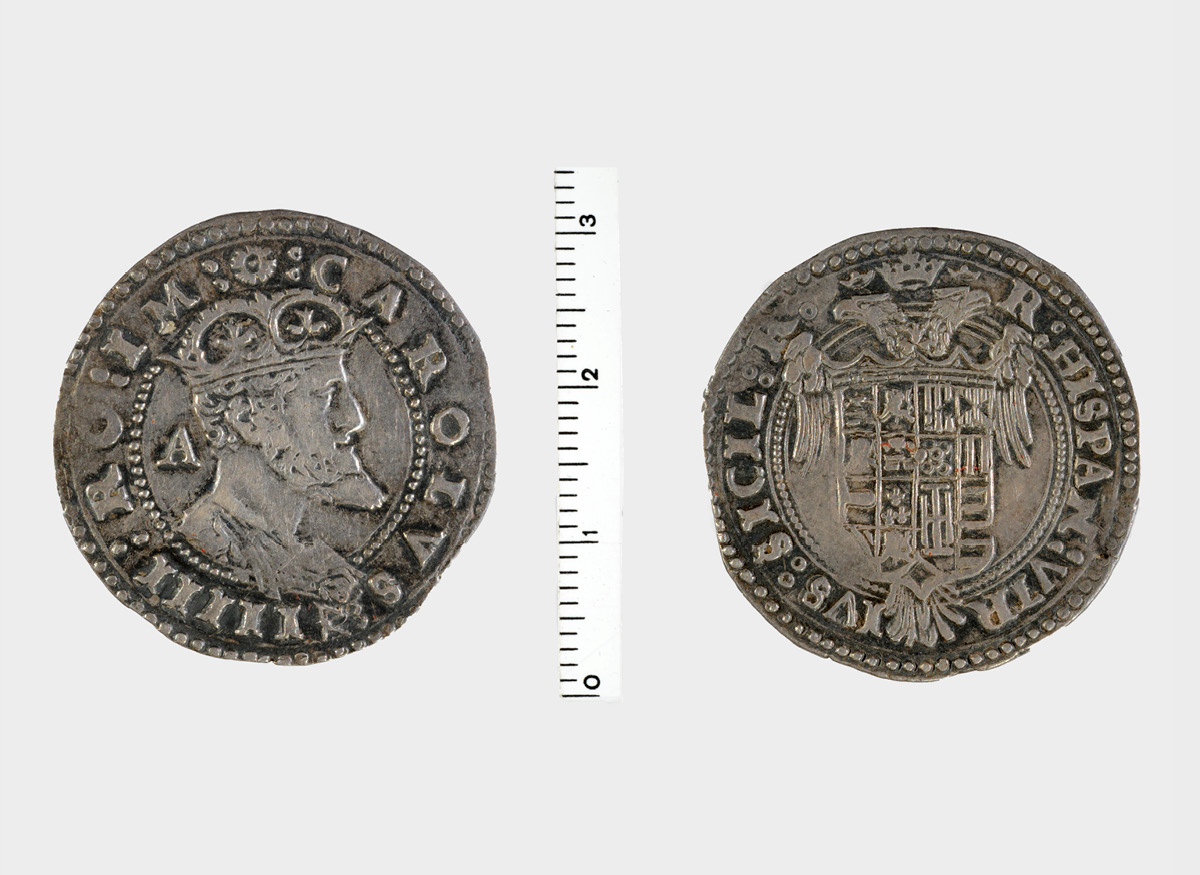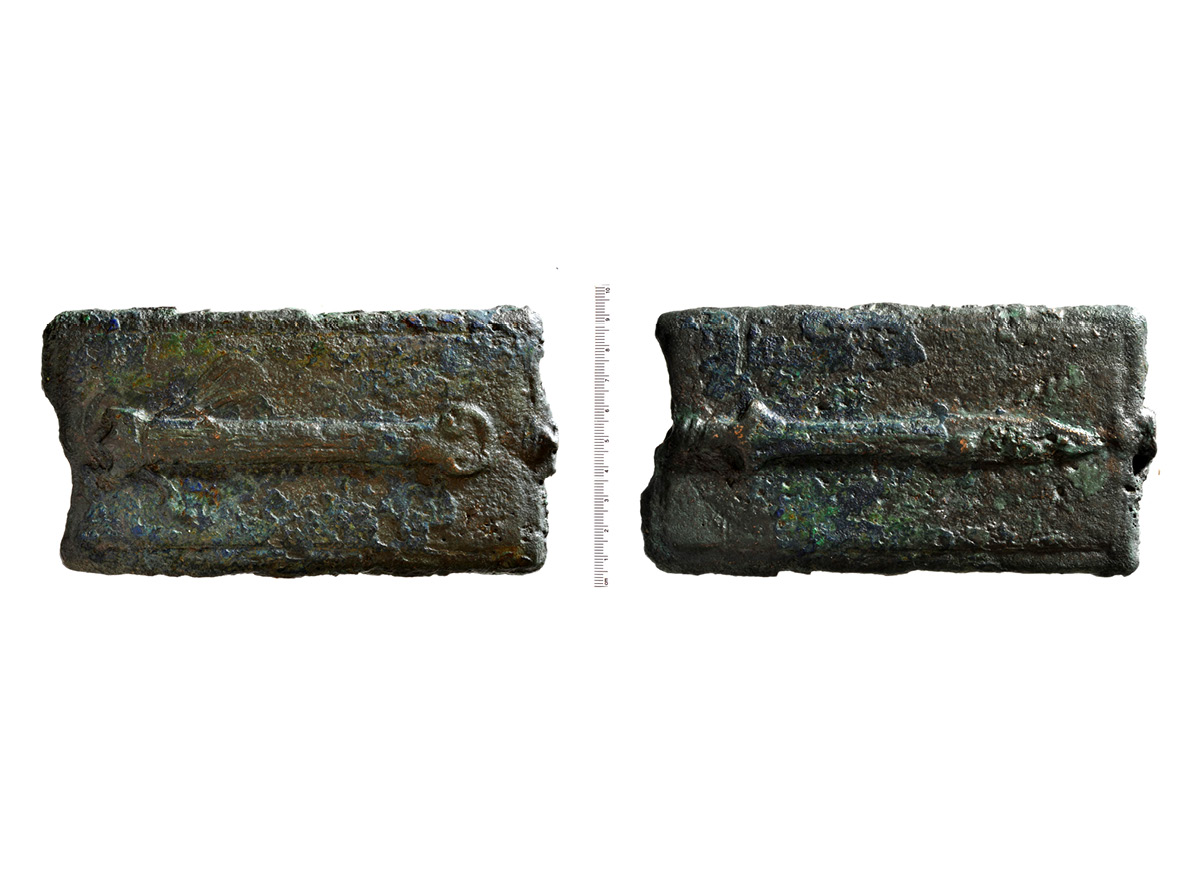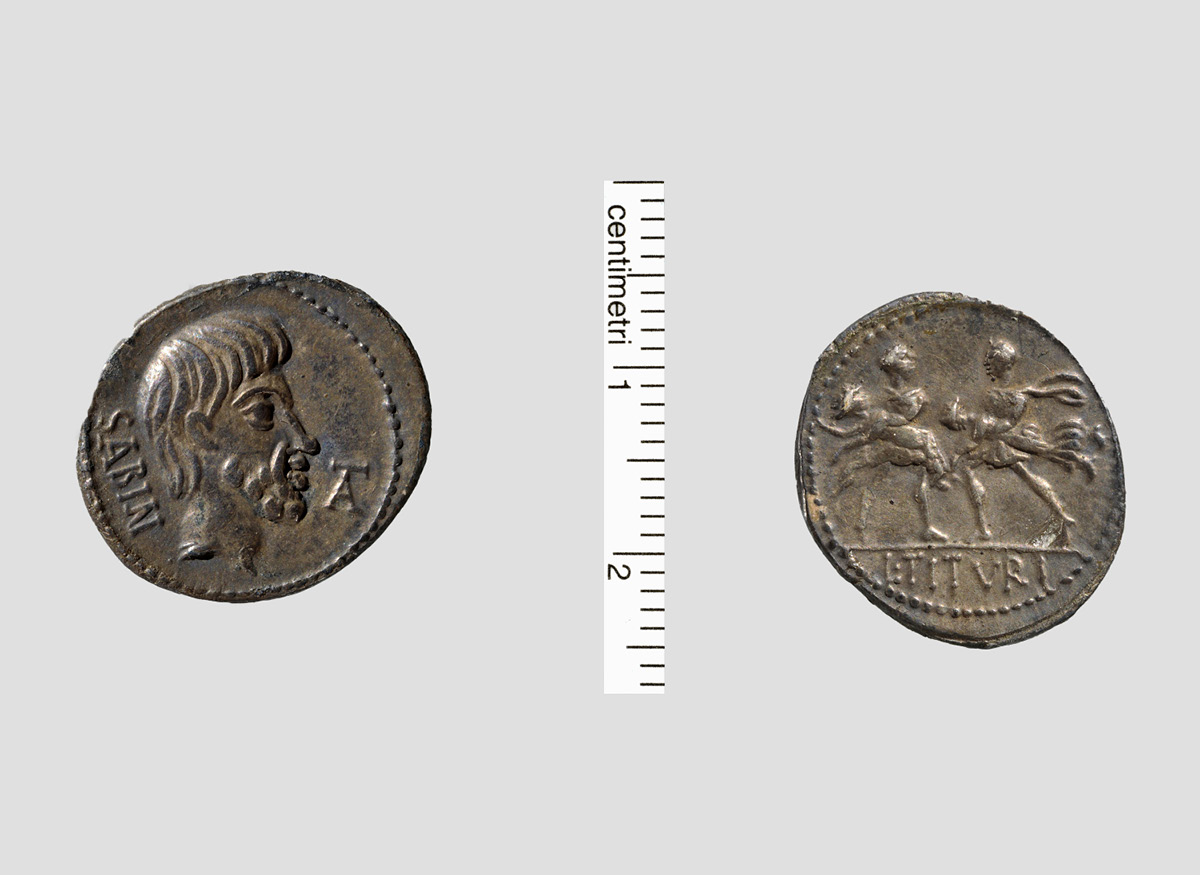
The materials enshrined in the numismatic collection of the museum cover a large span of time, from the first coins minted in Magna Graecia (VI century B.C) to the examples issued in the Kingdom of the two Sicilies (around 1850). They have become part of the museum heritage thanks to the acquisition of private collections, like the Farnese, the Borgia and the Santangelo family ones, or as a consequence of the excavations carried out in the Vesuvian area and in Southern Italian regions.
The gallery has six rooms: the first room LI (51) introduces visitors to the history of numismatic studies, which started with collectors’ interest and evolved at one point into the modern concept of historical discipline.
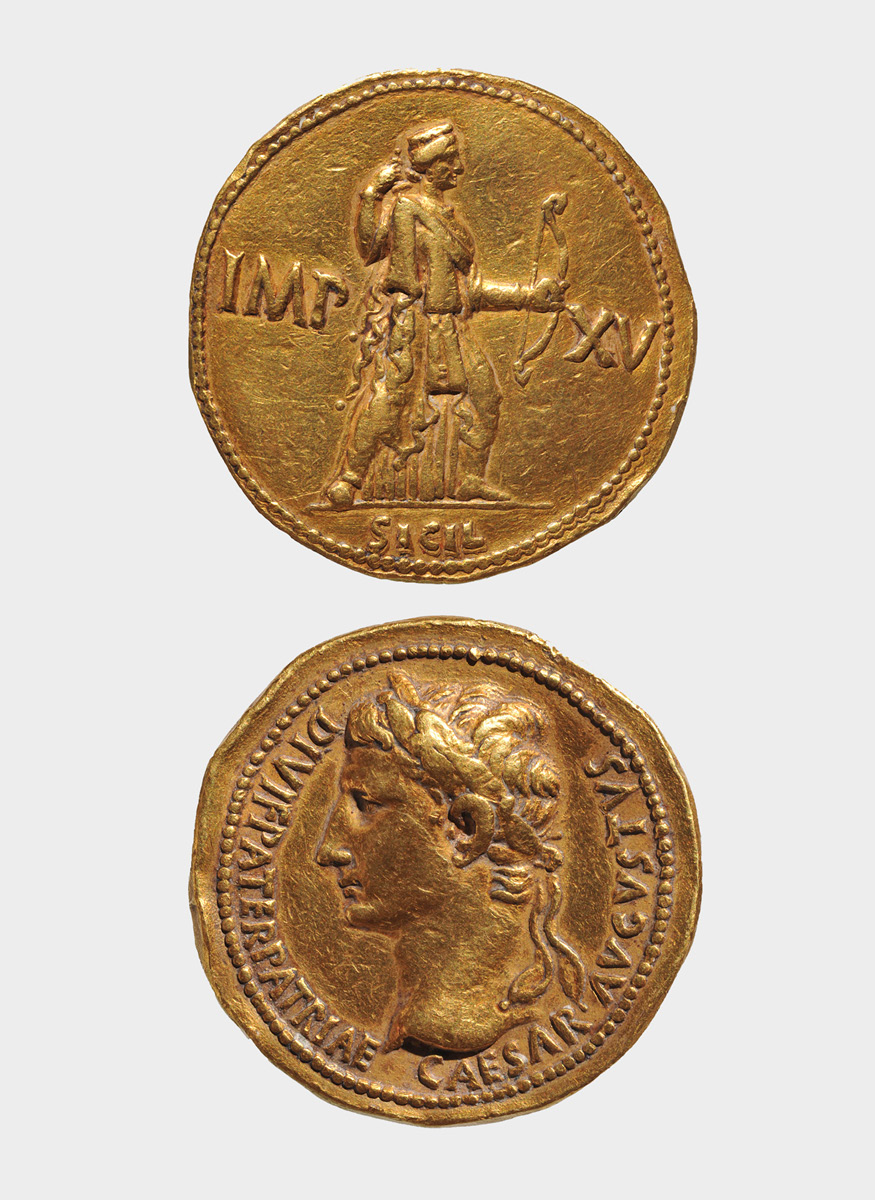
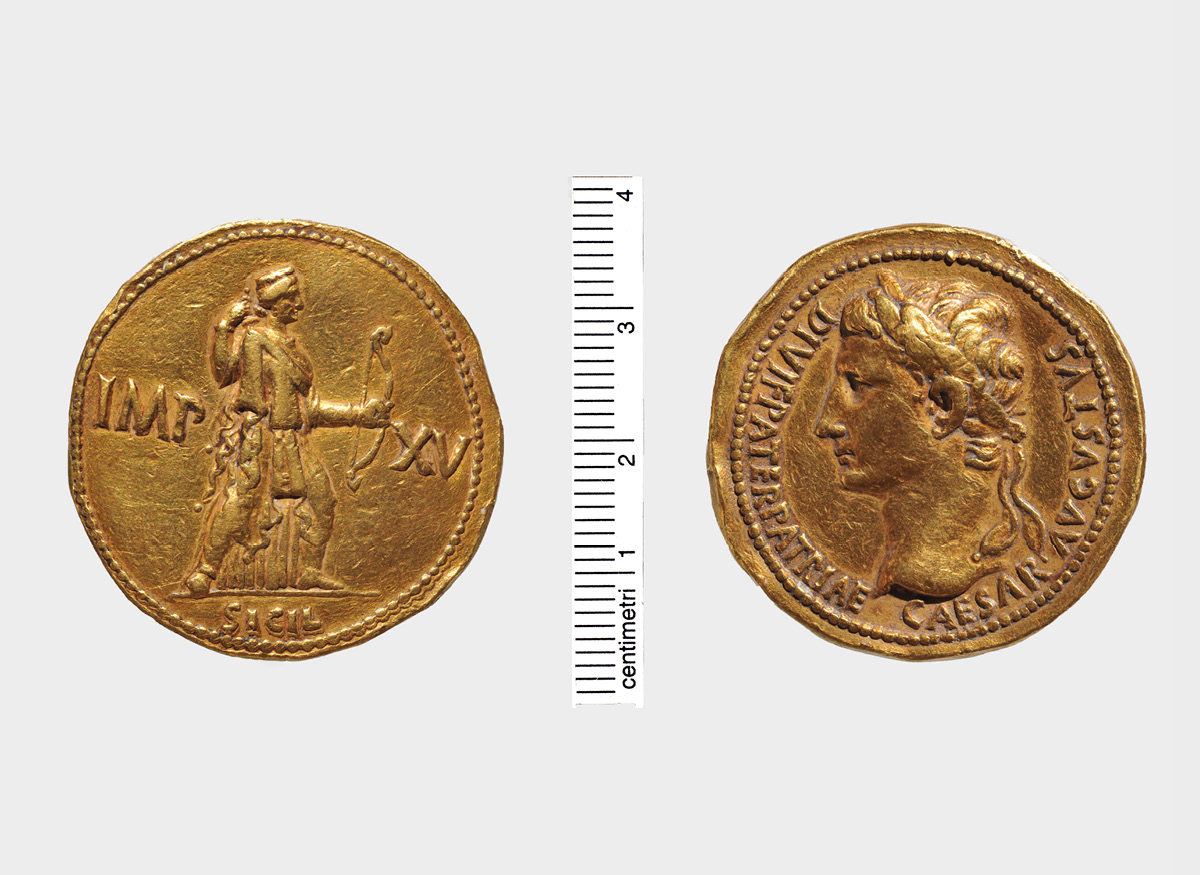
The display of next rooms LII-LVI (52-56), organized according to the town of provenience of the coins, in a chronological order, makes it possible to unroll the economic, political and social history of Southern Italy and of Sicily, highlighting the role played by the coin and its aspect in each archaeological context. The gallery emphasizes both the quantity and the quality of numismatic relics, in order to point out the variety and the richness of the collection, one of the most extensive in the whole world; but the display also includes other kinds of materials, such as reliefs, frescoes and books, in order to make it easier to understand the collection. A special place is occupied by the finds from the town of Pompeii, which provide information on the daily circulation of cash as well as on the production activities. In this section, indeed, visitors can admire the most famous piece of the collection, the golden coin of Augustus (room LIII – 53), which, as far as it is known, is a unicum.
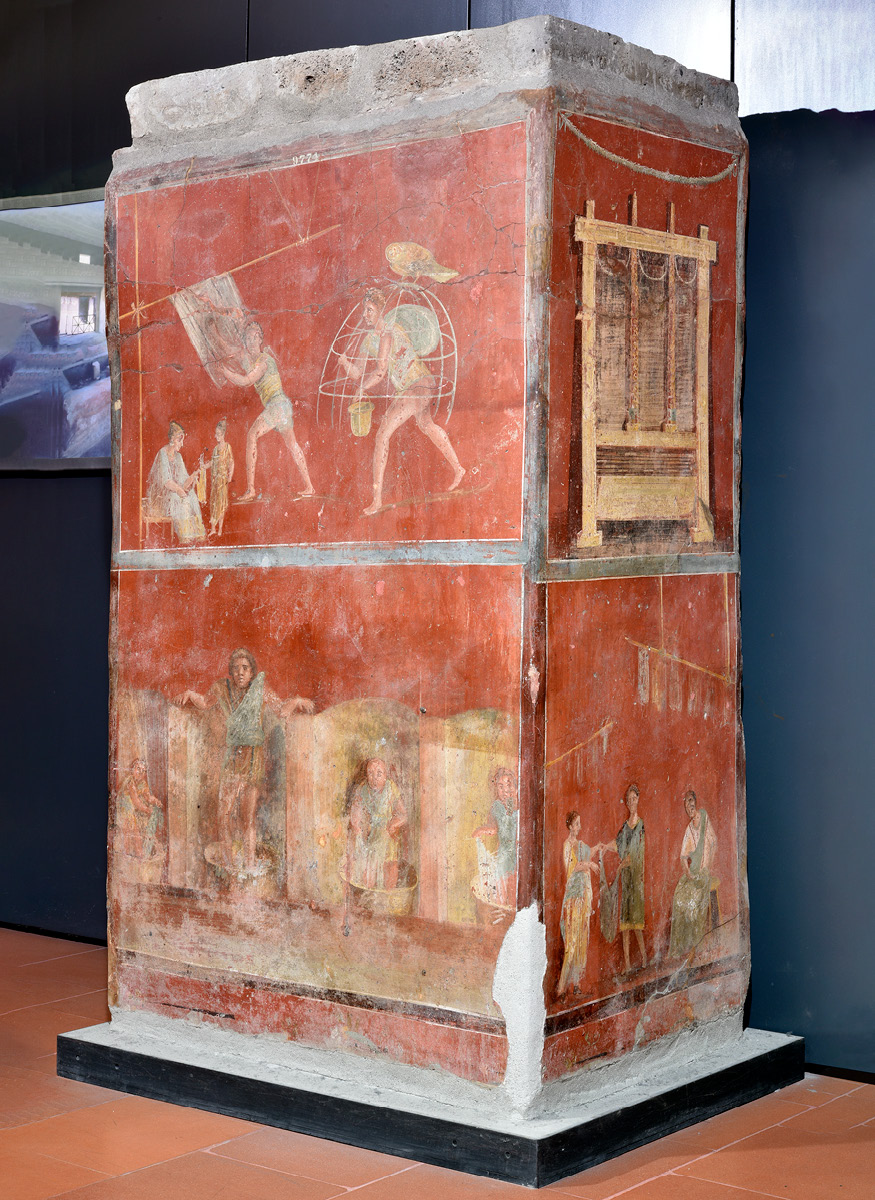
The Vesuvian tour goes on with the wax tablets from the House of the banker Caecilius Iucundus, the relief representing the shop of a copper-cratsman, a pillar decorated with frescoes depicting scenes of a fullonica (laundry), the tackings of a thermopolium (restaurant), a safe, the golden jewels found in House of the Menander and a pile of coins belonging to the administrator of the same house.
Further evidence related to trade and monetary exchange is a measuring table (from Minturno) and a funerary inscription of a ‘nummularius’ (money changer) perhaps from Capua.
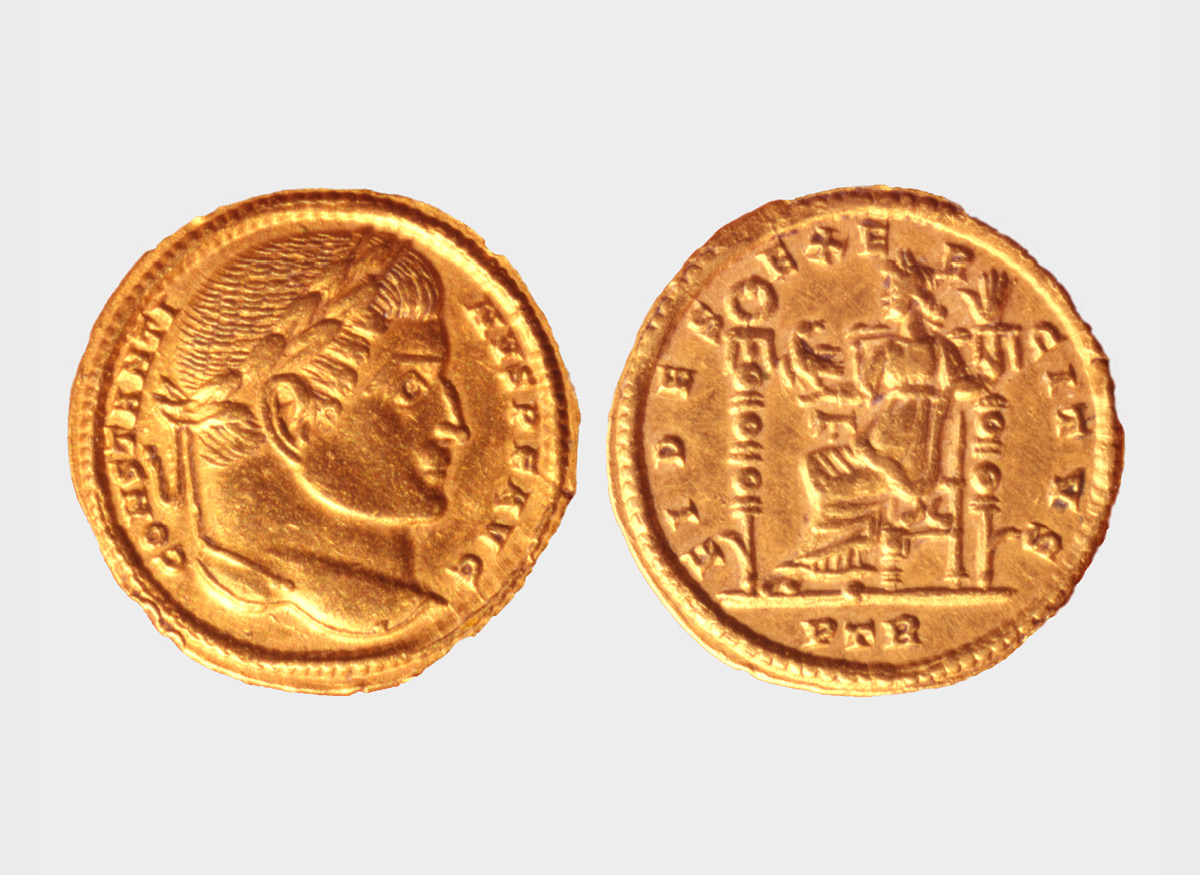
The itinerary continues with other rooms dedicated to coins, from Augustus to the fall of the Empire, up to the time of the barbarian invasions, and of the ruling dynasties from the Middle Ages to the modern age: from the Byzantines, to the Swabians, to the Normans, to the Angevins, to the Aragonese, to the Austro-Spanish of the reign of Frederick II, of the Middle Ages and of the modern age.
Than the exhibition focuses on Naples, which hosted various mints.
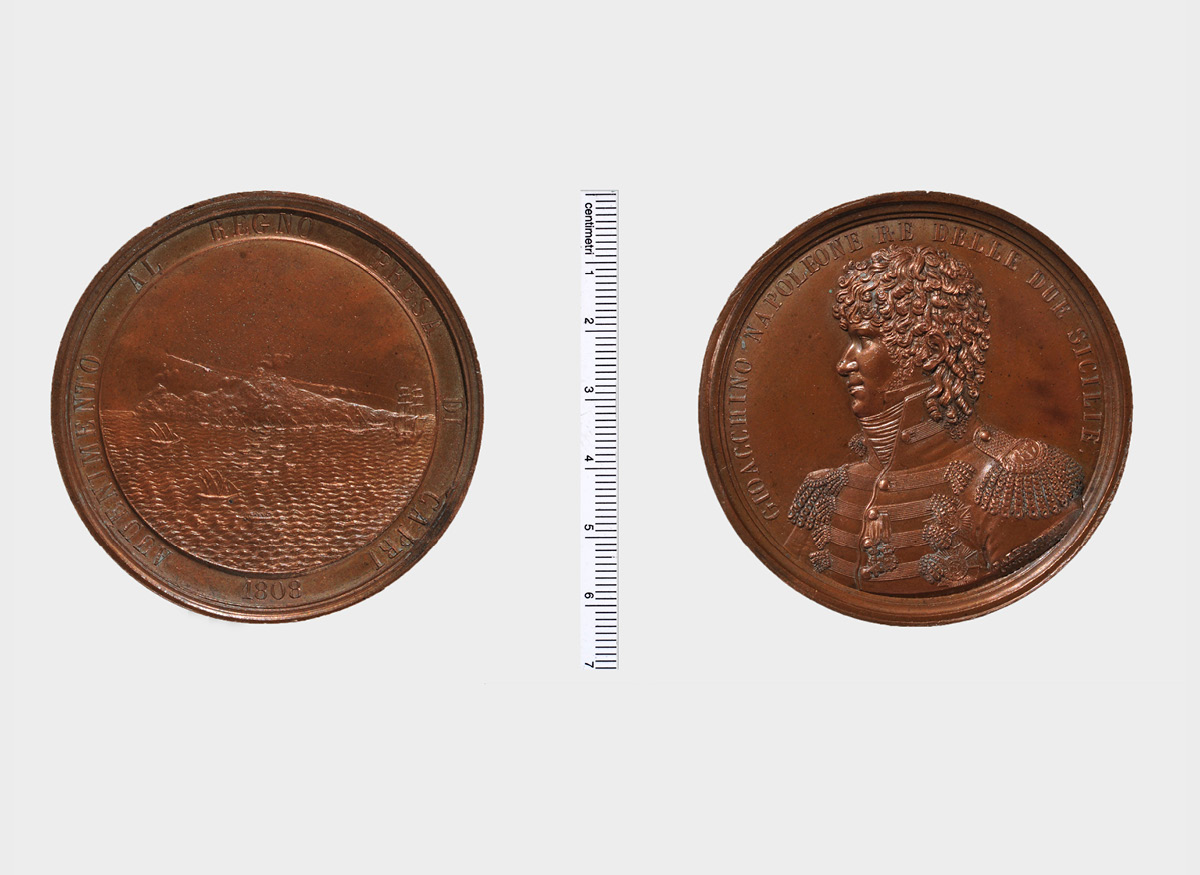
The last room houses medallions with no legal tender, issued by the Napoleonic and Bourbon dynasties, merely aimed at celebrating a person or a historical event, together with minting dies and punches.
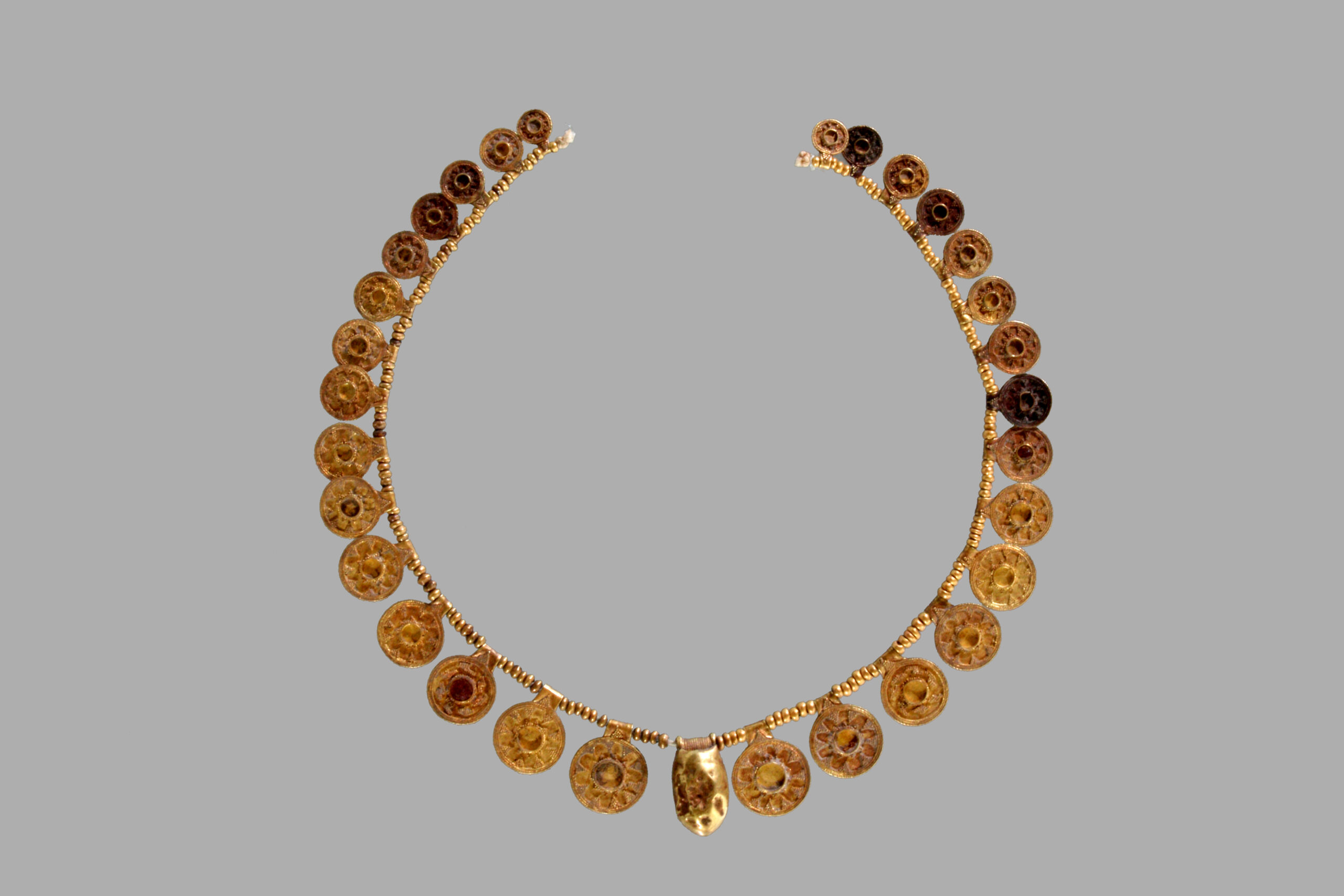
Golds of ancient Italy
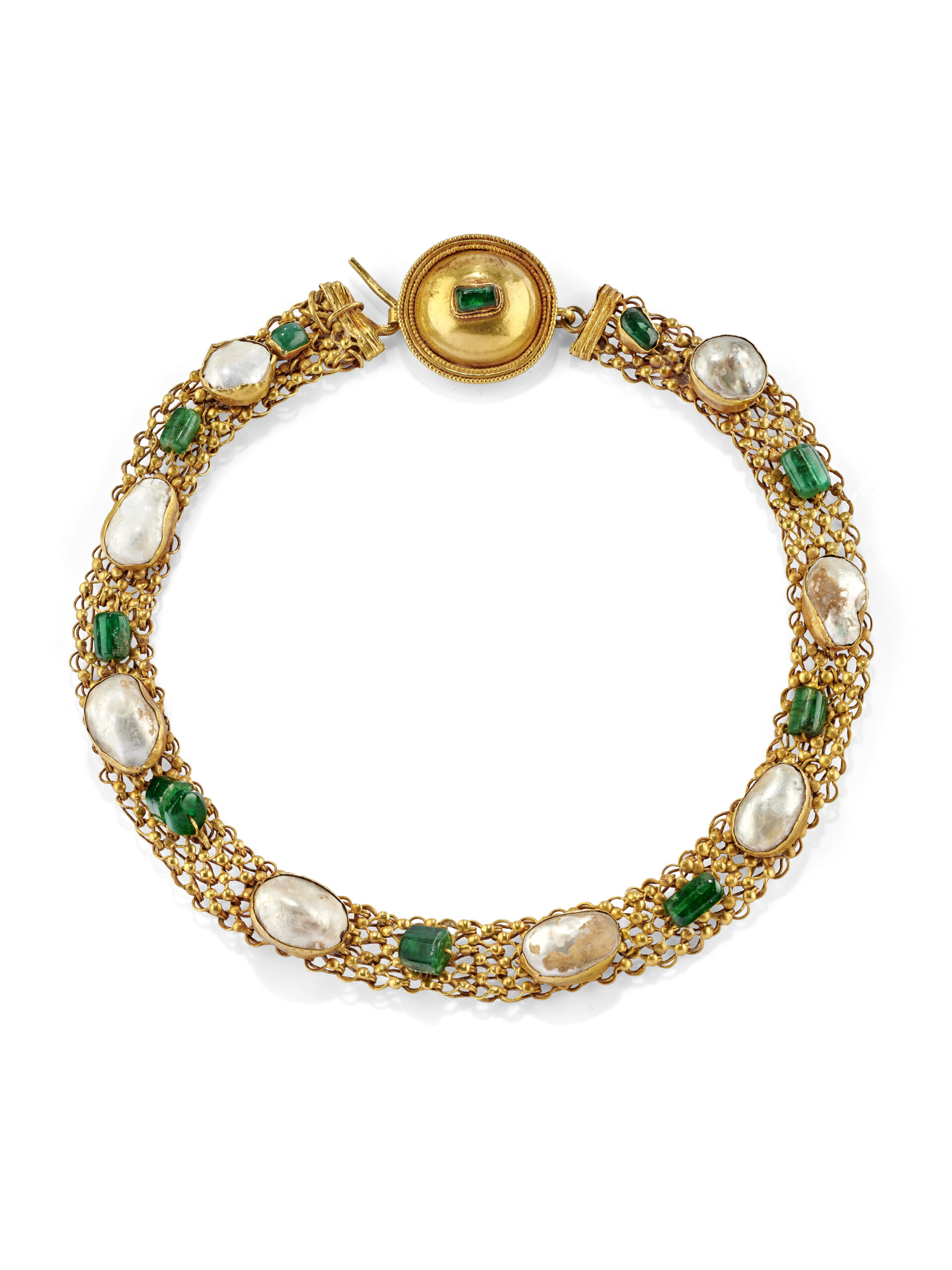
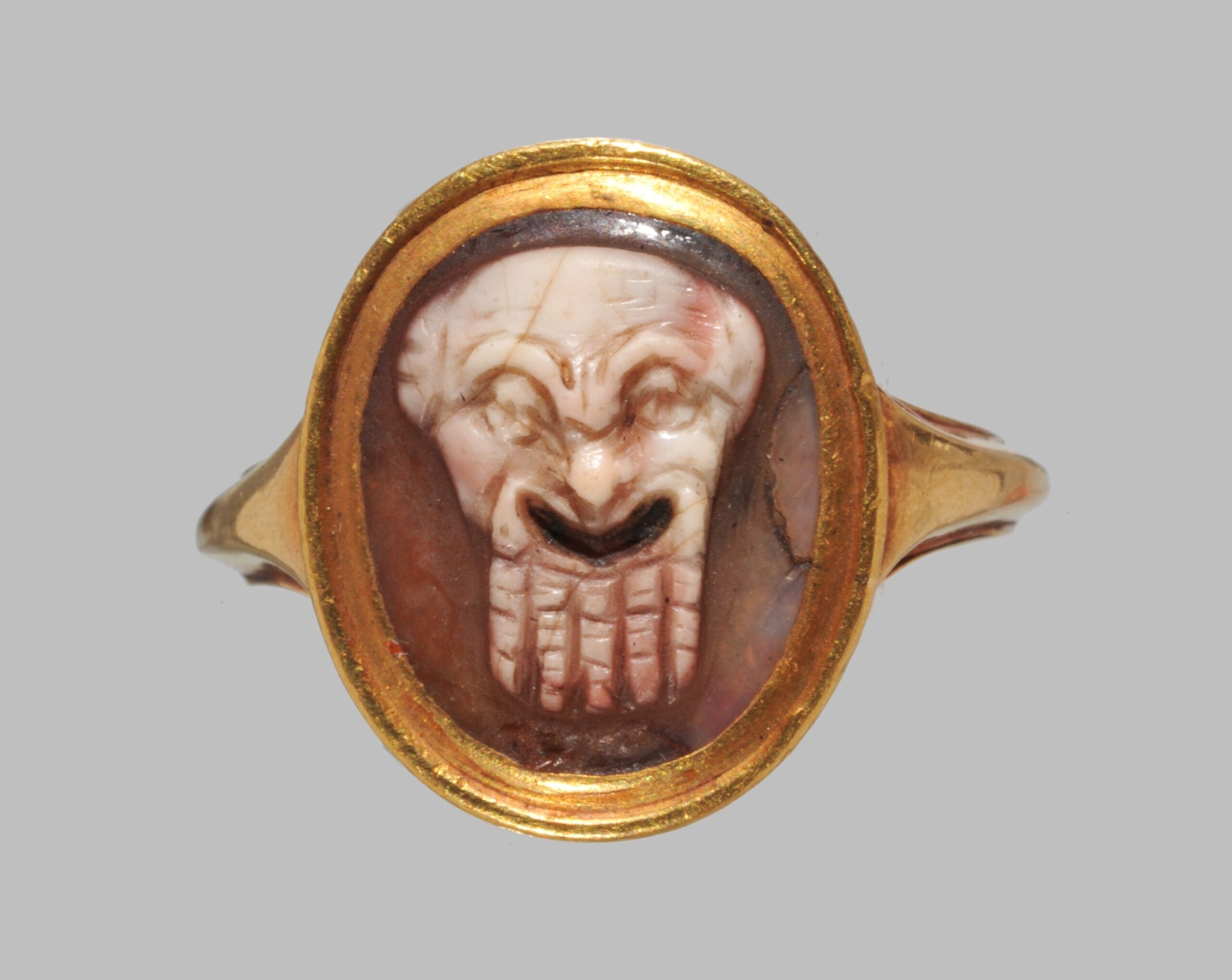
In the last room, a large and significant selection of the precious collection of jewels held by the Museum is exhibited again after about fifty years, adding up to the limited arrays already present in some contexts of the thematic sections of “Magna Graecia”, “the House of the Faun” and the “Campania in the Roman period”.
Alongside the precious items found in some coin hoards of Pompeii and Herculaneum, on display in room 53B, the exhibition displays little treasures of jewels set with precious stones and not, organized according to a chronological order and, if possible, by geographical or topographical contexts. They mainly come from archaeological excavations carried out across Southern Italy between the 18th and the 20th century, although they also are sometimes the result of donations and purchases.
As a start, to represent archaic goldsmithing in Magna Graecia’s towns and Etruscan-Italic contexts, the display includes jewels from Cuma, Chiusi and Populonia, respectively.
The specimens from the ancient sites of Tiriolo, Armento, Saticula and Capua reflect, instead, the excellent technical and artistic skills achieved by goldsmiths during the Hellenistic period, together with an extraordinary golden statuette of a wild goat found in the far-away Edessa, which entered the Museum with the purchase of the exceptional collection of Cardinal Stefano Borgia. Roman goldsmithing is largely represented with a typological display of ornaments, necklaces, bracelets, earrings and rings, enriched by the display of the jewels found during the excavations at Herculaneum and above all at Pompeii and its surroundings, both in public buildings and in private villas and domus, as well as the precious objects carried on their person or in small bags by fugitives, who died during the catastrophic eruption of Mount Vesuvius.
Refined and rare fragments of gold thread fabrics bear evidence of the rich clothing and the taste of the matrons and the ancient Romans.
The exhibition ends with the splendid array of jewels produced by the Byzantine goldsmithing workshops, from the excavations carried out in 1915 at Senise, in Basilicata region.